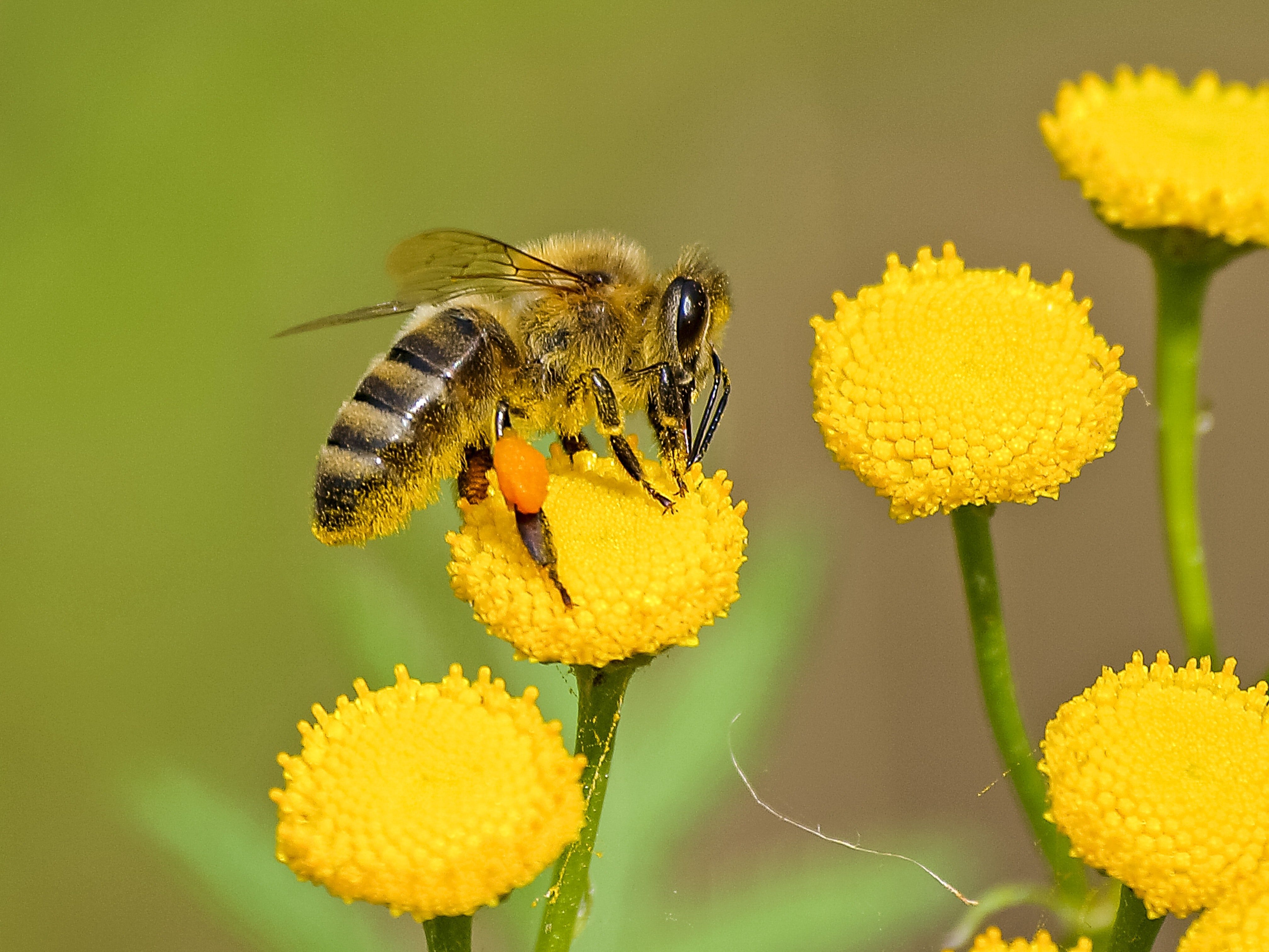
Sneem, Ireland, a town that restored its bee population, had put ideas in my head.
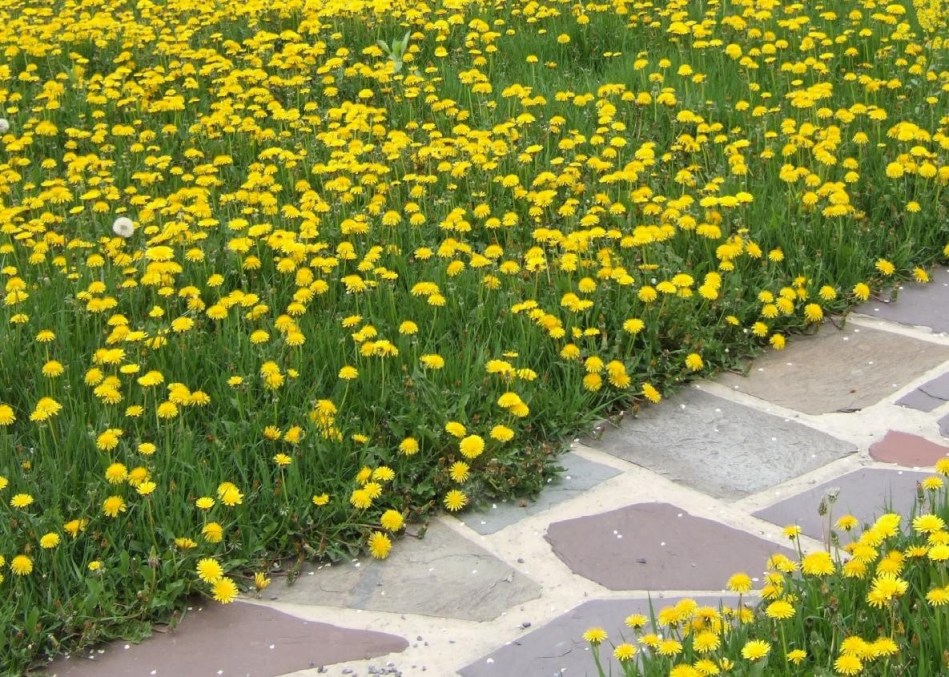
The town had followed a three-prong approach to reviving bees. Residents agreed to 1) not use chemicals on their vegetable or flower gardens, 2) plant a variety of flowers for bee health, and 3) allow dandelions to thrive.
When I got home from Ireland, I talked about Sneem and its bee restoration. Several people expressed remorse about the chemicals they use in their yards. “I know they’re bad,” a friend said, “but we’ve fallen into a habit.” Most folks said they’d be happy to plant flowers that pollinators love. But when it came to the dandelion part of Sneem’s plan, noses wrinkled or, in some cases, people laughed. “How would my neighbors like that?” Antipathy for dandelions ran as deep as dandelion taproots.
I wrote a letter to the editor of our paper, telling about Sneem’s success. A man sent me an article about the advantages of dandelions, not only to pollinators, but also to lawns. Their long roots help loosen compacted soil, and they put nitrogen into the ground.
They are entirely edible. People make tea from dandelion roots, and put stems and blooms, which provide Vits A, C and K, and some calcium, into salads. Some people believe eating dandelions helps fight inflammation in the body.
Allowing dandelions in public spaces would be a good place to start, I thought. If dandelions could flourish at the courthouse, in sections of parks, at the library, and along roadways, people could get used to them.
Churches aim to be stewards of the planet—I’d begin there. If one or two churches sanctioned yellow puffs on their lawns, the practice might spread. I wrote a letter to my church’s vestry (governing body) asking them to not mow the dandelions in our church lawn, at least in the springtime. I didn’t hear back. “Of course you didn’t,” a friend said.
I never heard how the discussion about dandelions went, but good did come of the letter. A month later, a vestry member told me the church had decided to plant a bee garden on a strip of ground beside the church. Next thing, a teen, Xavier Jones, took on the garden as an Eagle Scout project. Xavier studied what flowers bees love, and his troop put in a sprinkler system and planted flowers that would bloom in succession. As soon as flowers were set in the ground, bees showed up, some of them wild varieties.
A senior citizen church member, a flower gardener, dedicated a section of her yard to dandelions.
I live in the country, far from HOAs and rules that restrain me from doing what I want with my yard. For the past years, I haven’t mowed areas where dandelions grow in abundance. I’ve removed large areas of grass and replaced it with flowers. On the rest of the large lawn, I’ve kept the mower blade high so it wouldn’t lop off dandelion blooms.
This year I will observe No Mow May. The practice started in the UK in 2019 to benefit pollinators. Their bee numbers soared. The next year, Appleton, Wisconsin, adopted the program. Researchers reported a three-fold increase in bee diversity and a five-fold increase in the number of bees in no-mow yards.
The month can occur anytime, adjusting for local weather—when daytime temperatures are in the 60s and nighttime temps range from freezing to the mid-40s. Lawns look somewhat rough following the first mowing after No Mow, but landscapers say the grass comes back healthier.
No Mow May might catch on with the public. In many regions, lawns already face cutbacks. The owner of a local nursery told me water shortages mean landscaping must change in the future.
Maybe dandelions will yet gain a bigger share of yards. Maybe the dream of Sneem will take hold—far, far from Ireland.

 1000 Reasons to Love Bees