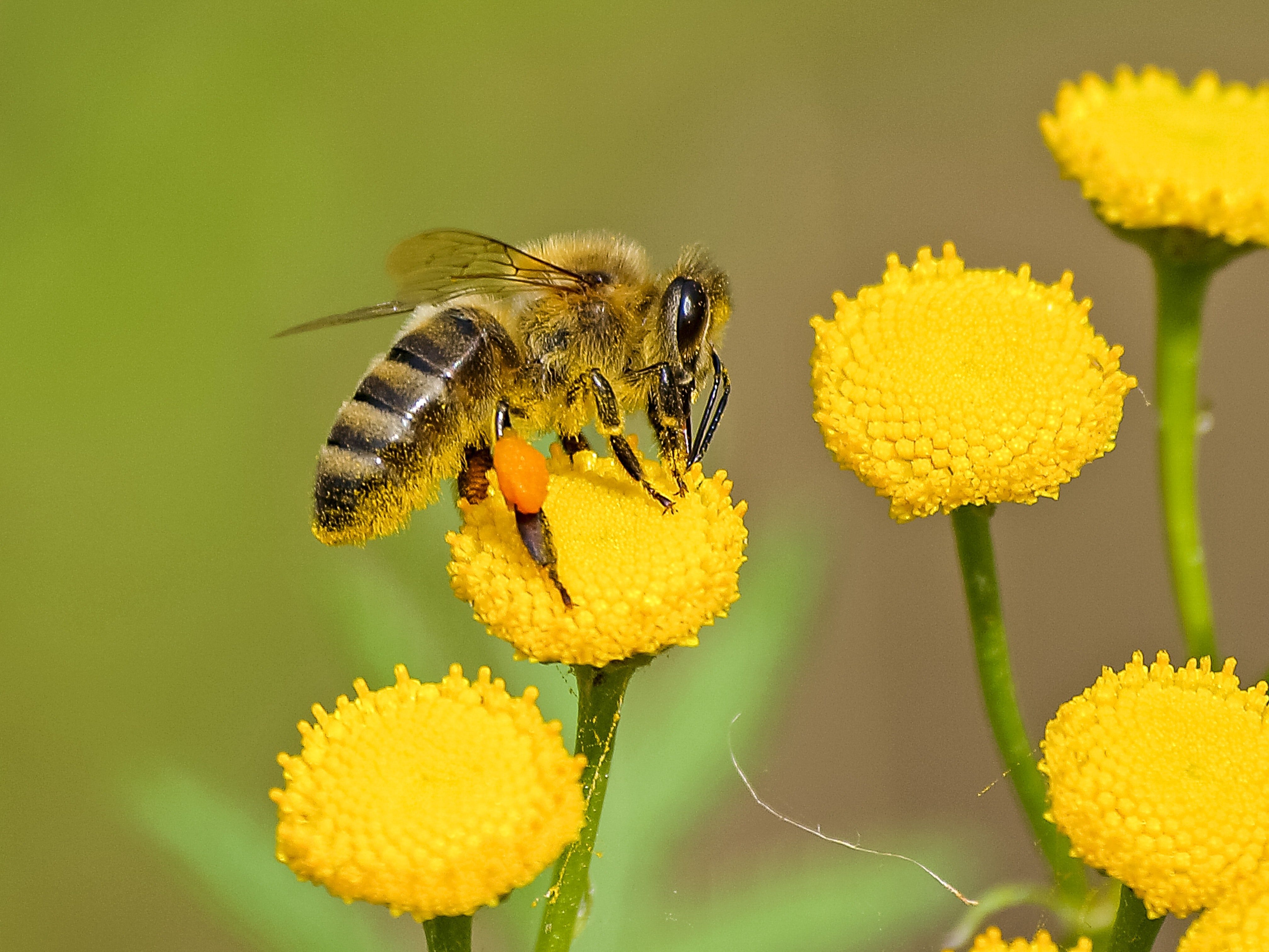
Last week I watched a Zoom presentation by Vicki Hurd, author of Re-bugging the Planet: The Remarkable Things that Insects (and Other Invertebrates) Do – And Why We Need to Love Them. The author loves and admire insects, and lists numerous ways that insects help Mother Earth.
As a child, the author found insects fascinating. She watched them and tried to imagine what role they played in the ecosystem. Bees helped her decide that she wanted to study insects as a career.
As a young girl, Hurd got a job helping with bee research. Her job was to count bees as they returned to the colony. Some people may have found this tedious—clicking a counter whenever a bee entered the hive, but she liked it. After a long time, a single bee began circling her head, making a different noise. Loud. Insistent. She interpreted the sound as, “Time’s up. This has gone on too long.” She stopped counting. Realizing that an insect could convey a message to her set her future course.
In beekeeping classes, I’ve seen veteran beekeepers who work a hive suddenly stop and say, “That’s enough. I need to close this hive.” The beekeeper can tell when bees are exasperated.
Hurd says bees communicate not only with humans, but with other mammals, reptiles, other insects, and even fungi.
I have noticed something myself. I keep water on a stand near the hives. I put golf balls in the bowl to give bees a place to rest and drink, and I keep the water level low. Yet, on the first warm day in spring when bees emerge, some of them drown despite the golf-ball islands. That’s Day One. On Day Two, I find no dead bees, and none after that. It’s like the message has gone out. Don’t drink and dive.
It’s gratifying when science confirms what little children and nature watchers already know. That species can talk to each other. A recent study in the UK demonstrated that bumble bees learn from each other. Cultural learning, they call it.
The researchers taught bumblebees to push a lever to open a box that held a reward. The knowledge spread through the colony.
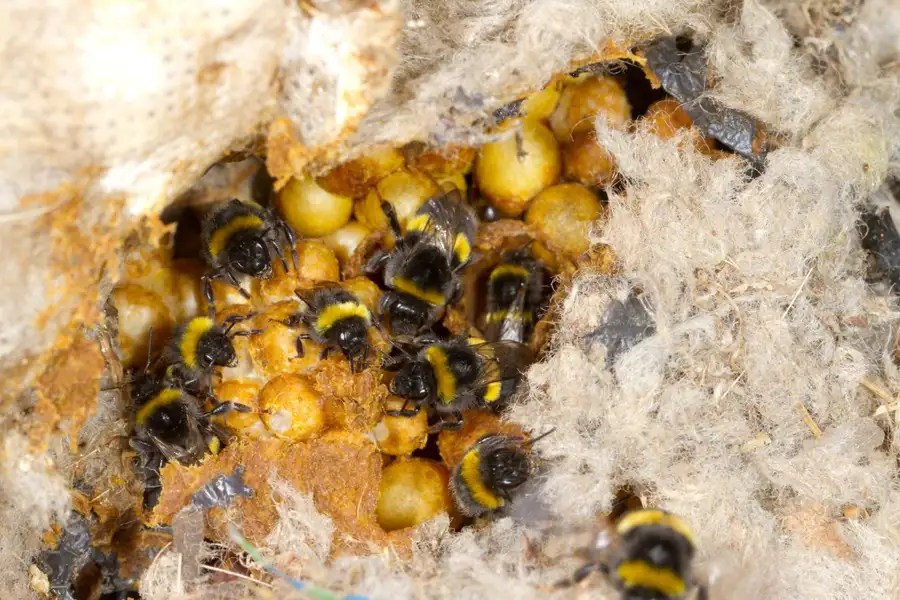
The study involved ten bumblebee colonies. The researchers privately taught a single bumblebee to open a box that held a sugary solution. When they released the demonstrator bee back into its colony, the bee transmitted the information to others. The researchers saw that bees preferred their sisters to teach them. Even if they found a different solution on their own, the bees preferred to use the method others had demonstrated, and used that technique 98 percent of the time. In colonies where scientists didn’t place a demonstrator bee, the insects only managed to open the box a handful of times.
One scientist expressed the hope this ability to learn from others could be helpful to colonies as bees adjust to changes in the world. Enterprising individuals who figure out new ways to carry on may be able to bring the rest of their colony along with them.

 1000 Reasons to Love Bees