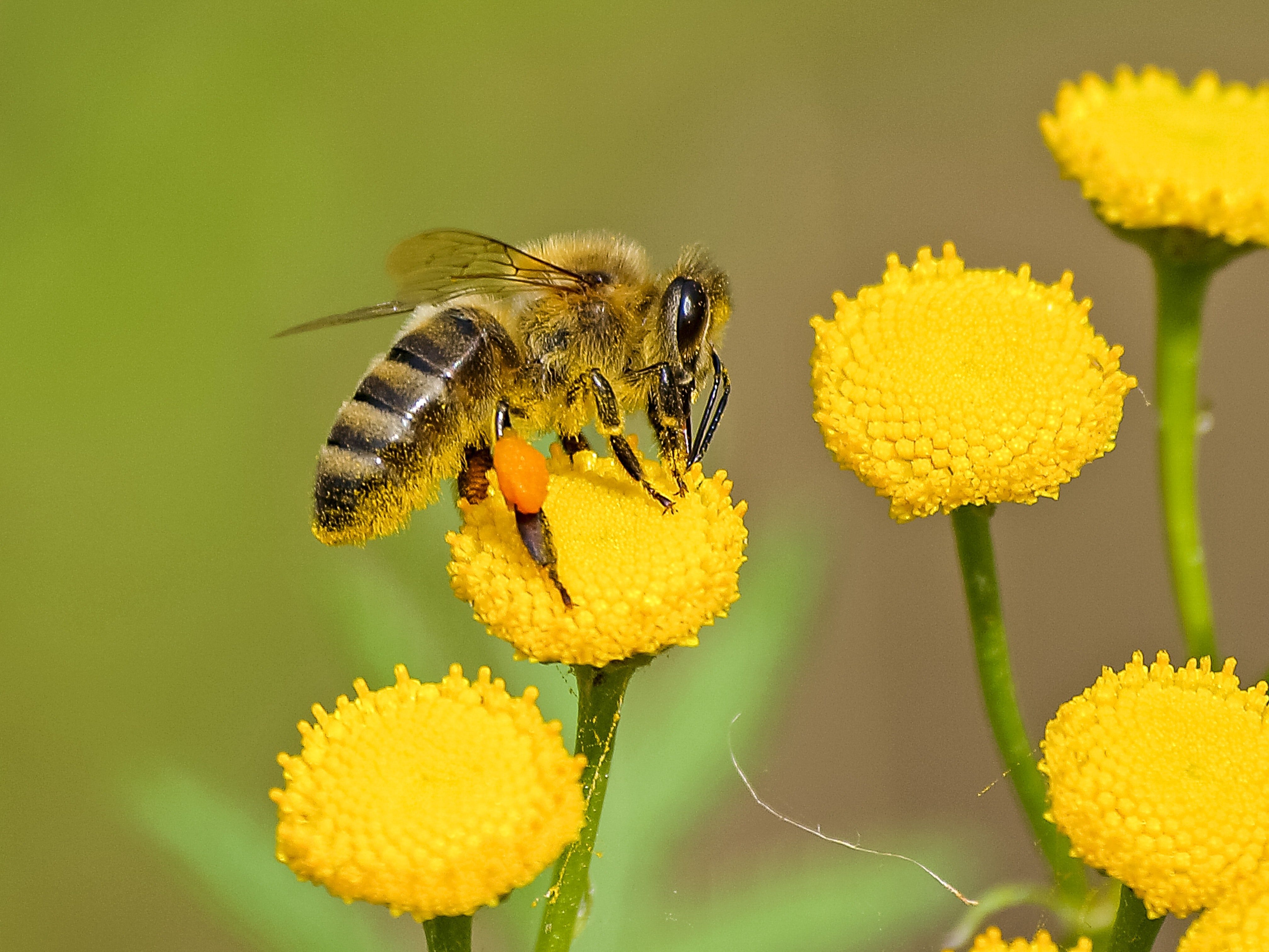
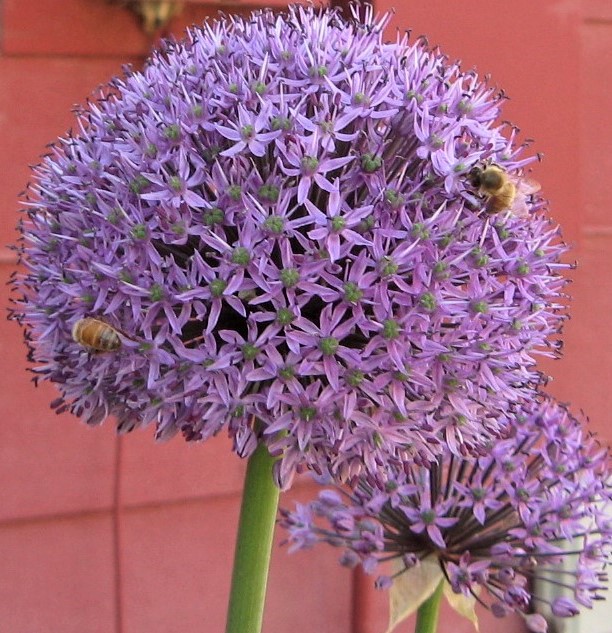
What do Ashland, North Carolina, Sneem, Ireland, and Hermanus, South Africa, have in common? They are places that have decided to side with the bees.
Around the world, many cities have taken measures to become havens where bees can flourish. Some cities have sought official designations through organizations like Bee City USA, Bee Campus USA, or World Bee Project. Across the globe, people who worry about the disappearing bees have taken forward-looking steps to foster bee health. They want to avoid the situation some orchard owners in China face—orchards have to hire peasants to pollinate their groves.
In far-away Hermanus, South Africa, at the southern tip of the continent, visitors come to watch right whales and other sea life. Now, in addition to the diverse marine eco-system, tourists also see floral diversity made possible by lots of hives.
Bee City USA started in Asheville, North Carolina, after beekeeper Phyllis Stiles became fully aware of the important role pollinators play. She saw that pollinators were in trouble, and that someone needed to do something. She and her friends started Bee City USA, a program that encourages affiliates to reduce pesticide use and incorporate native flowers, shrubs, and trees into urban landscaping.
Asheville launched the project in 2012, and became the inaugural harbor for pollinators. Cities who want to join the program must get the sanction of their local officials. Affiliates across the country and Puerto Rico have brought native vegetation into public spaces and encouraged residents to plant flora that attracts beneficial insects.
Cities commit to creating and adopting a pest management plan designed to prevent pest problems, reduce pesticide use, and expand the use of non-chemical pest management methods. Some cities practice No-Mow May and refrain from mowing their public spaces (and residences) until beneficial insects get well-established.
Looking at the list of U.S. bee cities, one might conclude that it’s easier for smaller communities (Bismarck, ND, Apalachicola, FL, Talent, OR) to pass support for bee-friendly initiatives than it is for sprawling metropolises. Yet, Seattle, WA, manages to support a large human population and also act as a refuge for pollinators. Seattle limits the use of insecticides, and it instituted a pollinator pathway at the Seattle-Tacoma International Airport. The open space houses honeybee hives. Portland International Airport has considered doing something similar. In cities, rooftop apiaries show promise and are catching on.
In 2021, botany specialists put these ten world cities at the top for bee-friendliness, based on the amount of green space provided, species of pollinators, air pollution, and average temperature: Johannesburg, Shanghai, (this surprised me—I saw no insects, not even flies on meat hanging in outdoor markets. Also, I had to throw away a jar of nasty-tasting honey.) Warsaw, Buenos Aires, Lisbon, Paris, Austin, Los Angeles, London, and Moscow.
Countries can disagree with each other, and rural folk and urbanites don’t always see eye-to-eye. But people everywhere can agree on this. Life without flowers, fruits, and vegetables would be drab. To continue to enjoy them, we need to support sanctuaries for bees.

 1000 Reasons to Love Bees