
Movies and TV shows sometimes set romantic scenes on rooftops.
Elegant food appears on a table laid with a linen cloth and fancy crystal. Lovely music plays on a speaker. After dining, the lovers nestle at the roof’s edge and gaze down on blinking lights.
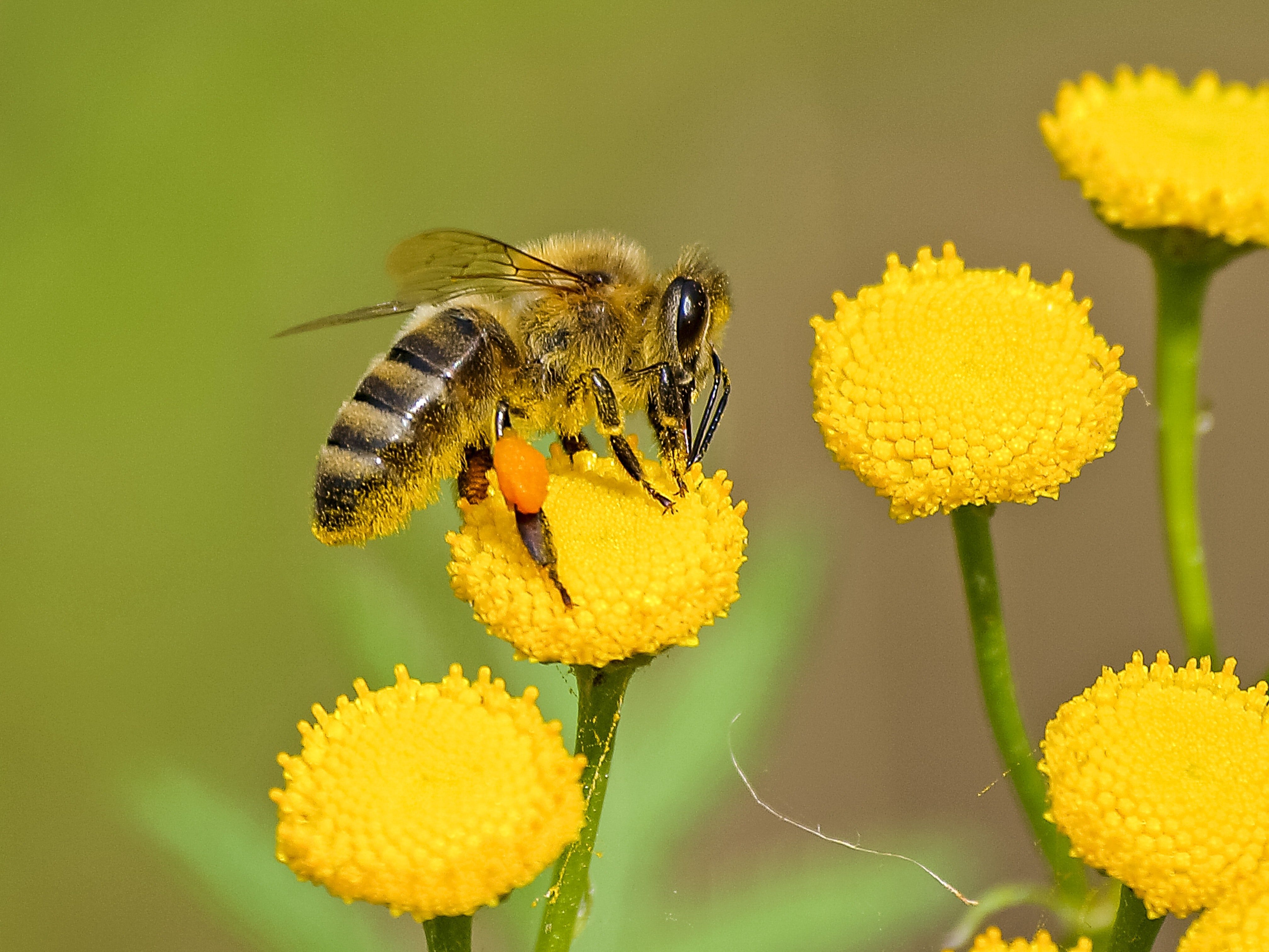
A rural person like me may think, “What is romantic about noise, crowding, and light pollution that obliterates the stars?” But it is all about what you’re accustomed to. These days, bees who formerly lived in meadows, trees, and yards are getting used to living on rooftops.
Beekeepers in urban places have started to locate hives on top of buildings. Some studies report urban bees can be stronger and healthier than suburban and rural bees. It relates to diet. A variety of blooms makes bees healthier, and sometimes cities and towns offer a greater variety of flowers. In the suburbs and rural places, bees may harvest only one or a few kinds of blooms.
In many places, towns and cities that had rules against beekeeping have changed their minds. The local food movement helped jettison laws and codes that prohibited bees. Urban gardeners applaud the change; urban shopkeepers like to stock local honey.
Urban children who have bees living atop their building are brought closer to nature. They have the opportunity to observe bees coming and going, and they also learn to be careful around them.
In response to the decline of bee numbers, the General Services Administration adopted the Pollinator Initiative that encourages federal facilities to locate bee hives on their roofs. Bee raisers contract with the government to locate hives atop courthouses and other federal buildings. One such facility is the Warren B. Rudman courthouse in Concord, New Hampshire.
The hives serve a research role, too. Program directors collect data on subjects like what plants are most beneficial to bees, and whether bees on rooftops benefit the flora of the entire area. The program hopes that if bees thrive, lessons learned can be passed along to other facilities, private and governmental.
A roof top must offer the bees a close source of water, so bees don’t have to expend a lot of energy travelling. And the roof should offer optimum temperatures in summer and winter.
But when too many hives live in an area with limited green spaces and flowers, bee health will suffer. This has been observed in London and New York City.
Urban settings can also be incubators for disease. Urban beekeepers must treat their hives for disease more often than rural beekeepers do, which is costly. And honeybees may pick up contaminants from city environments, which will appear in the honey. Beekeepers have found that sometimes honey produced by their bees was made from artificial sugars gathered from the urban environment.
Despite those hazards, rooftop beekeeping may help reverse the decline of bees. One bonus of the federal program has already come to pass. When bees produce more honey than they need, the excess goes to local food banks.

 1000 Reasons to Love Bees