Designed by Freepik.
We use honey as a term of endearment. When we chat with a child at the grocery store, we call them “Honey.” “It’s your birthday? Happy birthday, Honey.”
When our hair turns gray, clerks at the grocery store call us “Honey.” “Find everything okay, Honey?” (I hate this. I am not eight.)
We regard the wonder food that bees manufacture as dependably sweet and healthful. But at least once in history, an ancient army used toxic or “mad” honey to disable enemy troops and win a battle. A foretaste of chemical warfare.
Pliny the Elder, a Roman naturalist and philosopher, raved about the excellent honey of the Mediterranean region. He also wrote about “mad” honey, which came from nectar collected from a toxic species of rhododendron. Consuming a dose of it caused blurred vision, dizziness, hallucinations, nausea, numbness, fainting and seizures. In Turkey, this honey bore the name “crazy honey.”
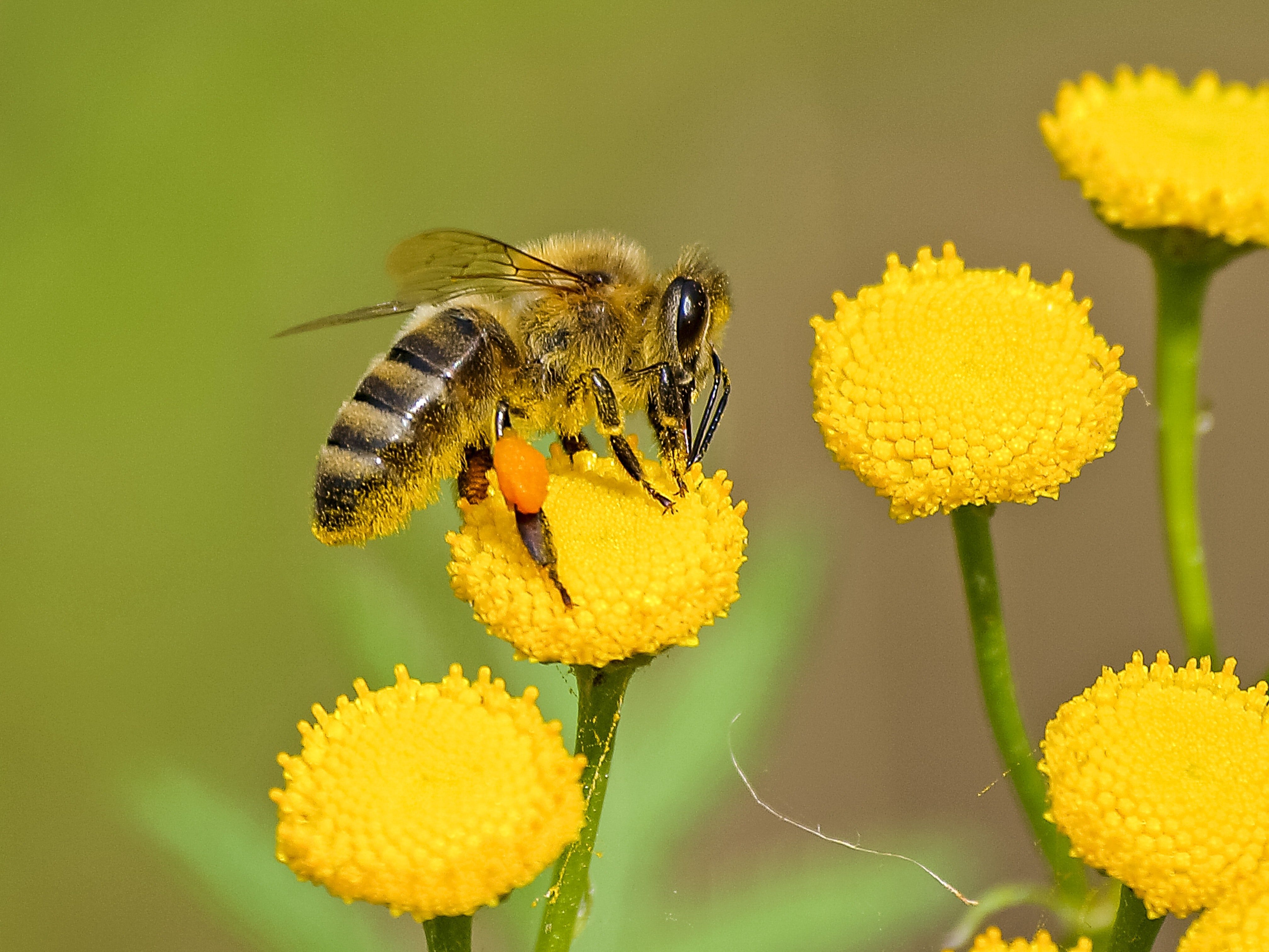
Rhododendron ponticum grew in abundance in Turkey on the coast of the Black Sea. Local bees collected much of their nectar from the dense concentration of those plants. It did not appear to harm the bees.
King Mithridates became aware of toxic honey’s potential when his own Greek soldiers found and ate it and suffered horrible effects. Some went out of their heads. But they didn’t die.
The King schemed to use the honey against enemy soldiers. He laid toxic honeycomb along a roadway that invading Roman soldiers would travel. The Romans saw the honeycomb as a gift from the gods, and eagerly consumed it. The honey made them horribly sick and disoriented, and the Greek soldiers moved in and killed them. It is ironic and sad to think of honey, valued for its healthful properties throughout the world, making soldiers so ill they lost their lives.
This toxic variety of rhododendron bush has spread to the British Isles, but a program is in place to eradicate it. It appears that bumble bees pollinate the plant, and local honey bees avoid it.
We cannot let this account of bad honey taint our appreciation for how often honey has benefitted soldiers. Russians used honey in WW I to prevent infections in wounds and assist in healing. During the U.S. Civil War, medics on both sides relied on honey because of a scarcity of salves and ointments. Those are famous cases, but we can assume that warriors from the earliest times and in the most remote places have relied on nourishing honey for use, internally and externally.

 1000 Reasons to Love Bees