Friends of bees love to hear good news.
The radio announcer said the guest from the Idaho Transportation Department would speak about making highways friendly for wildlife. I assumed the spokesperson would talk on a well-publicized subject—protecting migratory routes for deer, elk, and pronghorns.
Instead, the person talked about the agency’s efforts to establish habitat for pollinators around highways.
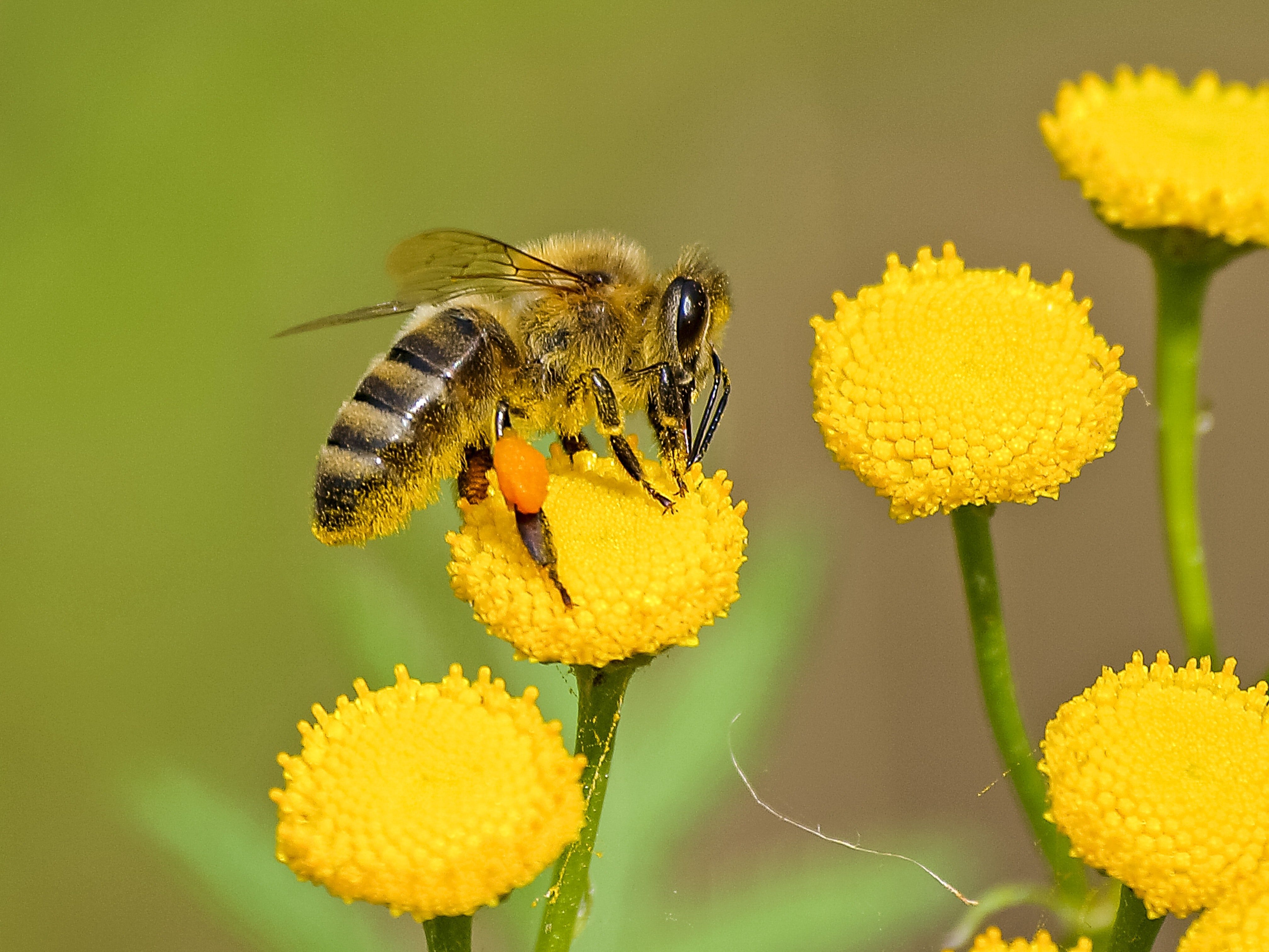
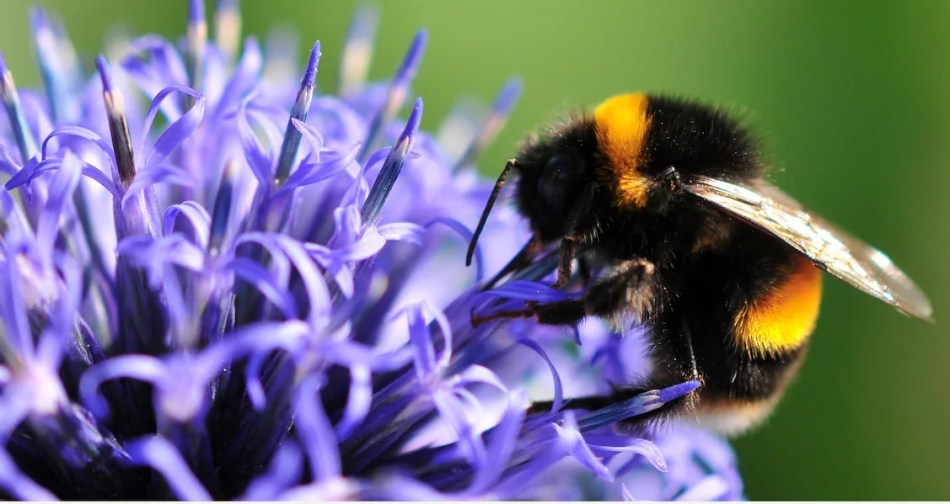
Idaho has millions of acres planted in farm crops, and many leading crops rely on pollinators. The transportation department has partnered with the Idaho Department of Agriculture to come to the aid of ants, butterflies, beetles, and of course bees, by planting pollinator-friendly plants at rest areas, around state buildings, and next to highways.
Predictions of extended drought here in the West have increased the interest in native plants to replace water-loving, non-native species. State employees have planted native species that fit the arid environment at a rest area on I-84.
Plants that attract pollinators will help other wildlife species, because little creatures get eaten by larger ones.
The Idaho Transportation Department (ITD) understands the public may need to adjust its expectations. Some popular ornamental flowers do nothing for pollinators. Tidy, well-groomed plots of grass near roadways look orderly, compared to native flowering plants that can look helter-skelter.
Revegetating areas that have been highly disturbed can be a challenge, too. Employees are using compost to amend the soil in those places. The native plants may need to be watered at first, too, to help them send down the deep roots that will stabilize the soil. The agency gives preference to plants that bloom from early spring until fall.
The ITD pollinator wellness program also includes evaluating when and where to mow.
In another state, Illinois’ Department of Transportation has adopted new mowing procedures aimed at creating and protecting habitat for pollinators, including the monarch butterfly. Their strategy regulates when mowing occurs, and reduces the amount of land mowed.
The ITD also participates in Operation Wildflower, where districts distribute native wildflowers to volunteer groups for seeding selected areas. The ITD and Idaho Fish and Game are cooperating to make pollinator waystations, seeding roadsides with native flowers and grasses.
This goes beyond supporting pollinators. The native flowers and grasses beautify the roadways and reduce maintenance costs. The ITD uses a variety of native seeds for revegetating around construction and maintenance projects.
It is cheering to picture deep-rooted, drought-tolerant flowers and shrubs taking hold along the roadways, stabilizing the soil and attracting pollinators. Hardworking bees might sympathize with the words of the 19th Century poet, Sam Walter Ross, who wrote,
Let me live in a house by the side of the road
And be a friend to man.

 1000 Reasons to Love Bees