A six-person panel of international judges gave first place in the World’s Ugliest Lawn Contest to Kathleen Murray of Tasmania.
The competition started in Sweden as a way to reward water conservation. Lawns require a lot of water.
Murray’s dusty yard, pocked with holes dug by animals, placed first. I was struck by something she said.
“It’s a bit like women (she could have included men) who choose to stop dyeing their hair and let it go gray.” Sometimes a person freaks out and goes back to dyeing, but she chose to “let my lawn go gray.”
I have done both. Let my hair go gray, and tried to rid my front yard of grass. I think Murray’s comparison works.
We who embrace gray hair enjoy how easy it is. No more visits to a salon or time-consuming do-it-yourself sessions at home. It may be healthier to avoid chemicals on our scalp.
But some people like to see the brunette, blonde, or red-haired person they have always known looking back at them from the mirror. Colored hair usually looks younger, which may be a benefit in certain occupations.
A friend and mentor of mine kept dyeing her hair until she left this world at 94. No one who knew her would call her shallow or vain. She had a reputation for being wise, loving, and lovable.
Back to lawns. For years, I have been trying to replace my front lawn with plants useful to pollinators. I have variously suffocated the grass with black plastic, cardboard, or straw. One year, I hit it on all fronts. I used black plastic, straw, and had it plowed. I sprayed with a chemical. I thought I had seen the last of it.
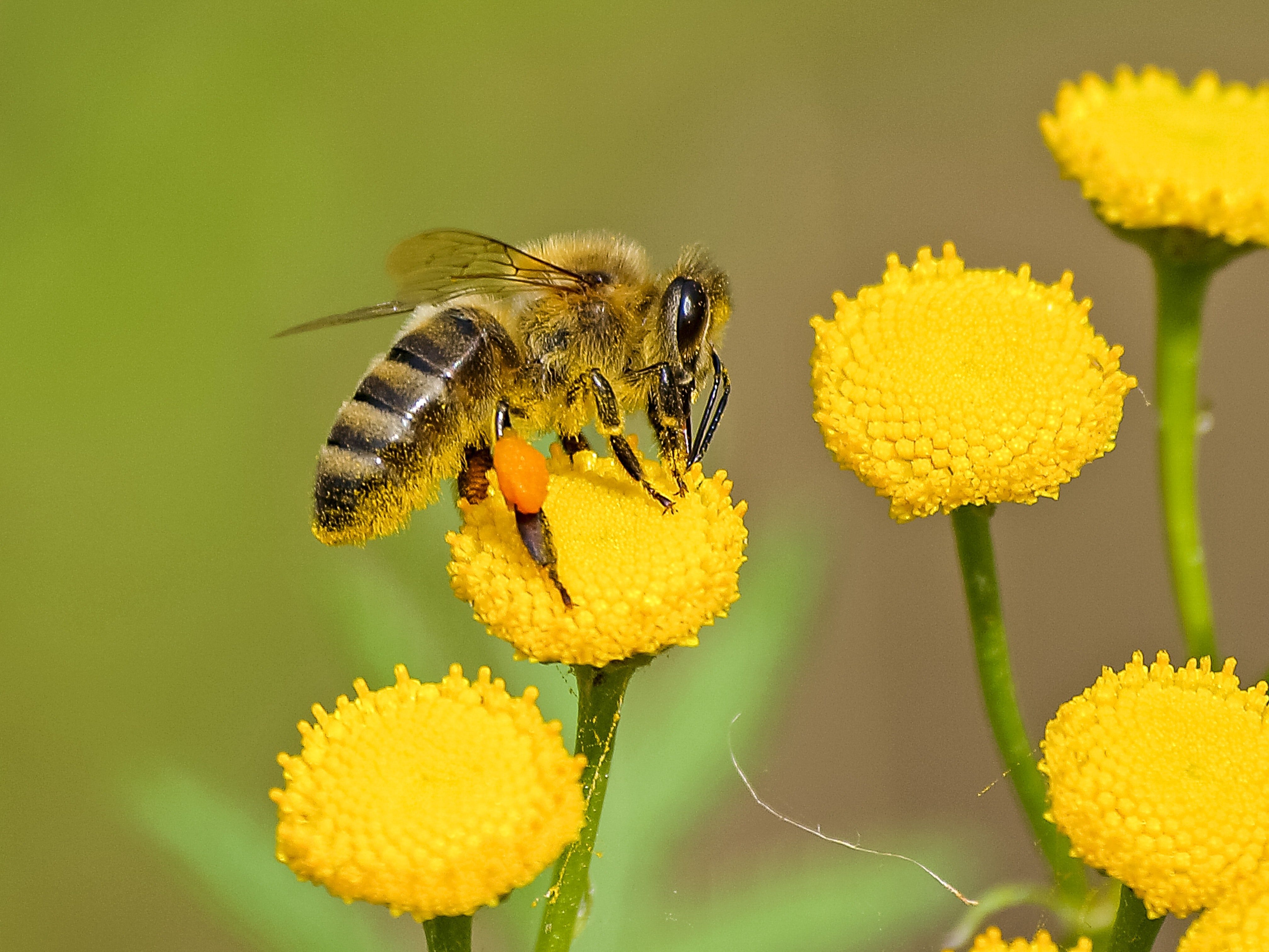
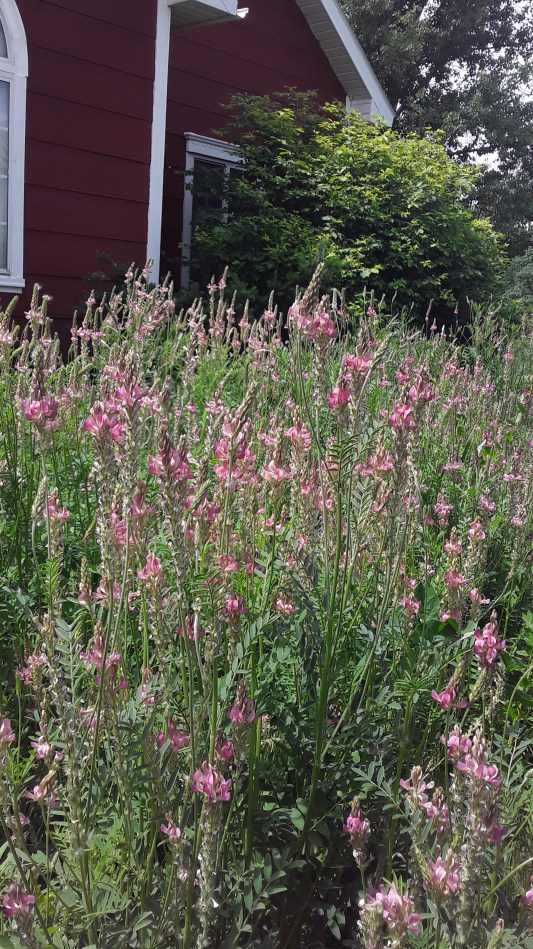
A satisfying crop of sainfoin, a cousin of alfalfa, bloomed where the lawn had been, and flowered for months. The bees loved it. I considered it beautiful, with its multiple pink flowers on every stalk, loaded with bees. But when a friend visited, he asked, “You planted this? Looks like a bunch of weeds.”
Morning glory (bindweed) wound its nasty self around the sainfoin stalks, choked it, and killed it. I turned my battle to getting rid of bindweed, a labor-intensive effort.
Just when I thought I had won, grass returned and pushed out the sainfoin. Grass puts up a fight. I turned to cardboard and tarps again, and starved the grass of water. By then, I had learned that sainfoin requires more water than some alternatives, and planted clover.
I live in a rural area with lax zoning regulations and no HOAs governing lawn care. It would be harder for me if disapproving neighbors scowled my way.
Advocates for native plants talk about the advantage of not mowing lawns. That may be true once the grass has been vanquished and native plants have established themselves. I have struggled to learn how much water native plants need, and which ones agree with my kind of soil. My back yard, still in grass, seems easy to care for by contrast.
I am not giving up. The clover I planted last fall peeked through before the snows came. I’m told it will give grass a run for its money. And we know how bees feel about clover.
The manager at the garden center where I bought clover seed had just returned from a national conference. He told me it is only a matter of time until lawns disappear. He sells lawn seed and lawn products, and anticipates modifying his inventory. Extended drought in the Western U.S., and the world-wide shortage of water mean that drought-tolerant plants will replace lawns.
We will learn to see them as beautiful. Sort of like gray hair.

 1000 Reasons to Love Bees