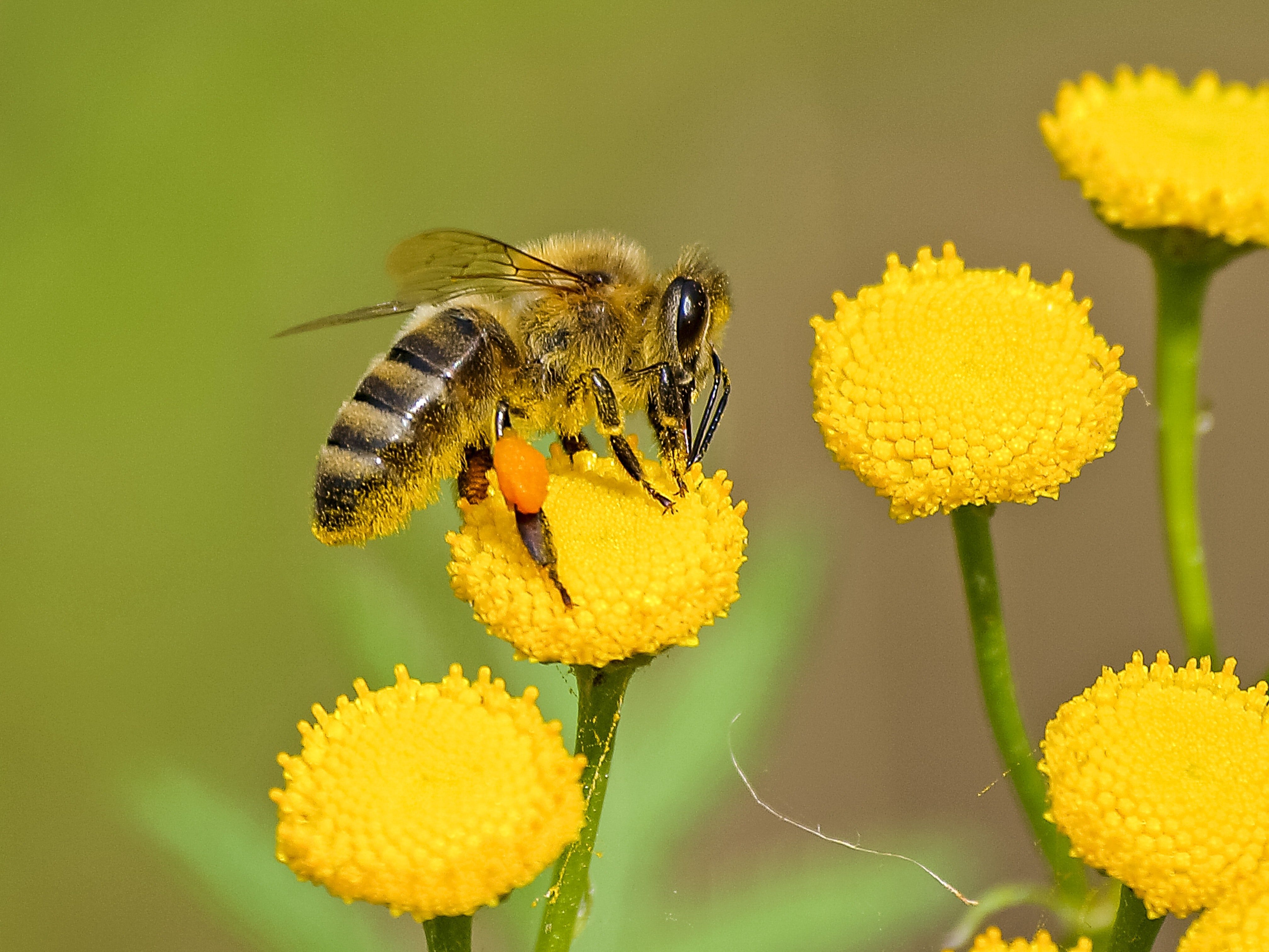
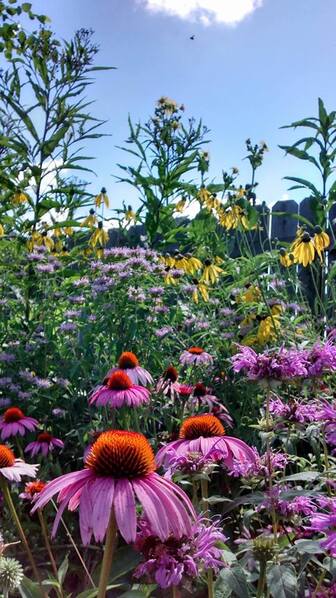
I converted part of my lawn to native, pollinator friendly plants so my bees don’t have to go searching for flowers, or forage where plants have been sprayed with harmful chemicals.
But some folks are replacing lawns and restoring native plants for a selfless reason—to create miniature sanctuaries where native plants, insects, birds, and small mammals can thrive.
Natural spaces perform vital functions. They provide for the food web, supply clean water, pull carbon out of the air, and shelter native insects, pollinators, birds, and animals.
We in the West take public spaces for granted. Many of us live within easy driving distance of great expanses of open land or forest. It surprises us to learn that ninety-five percent of the natural landscapes in the U.S. have been transformed. In the lower 48, half of the land holds cities and streets, airports and shopping malls. Farms cover much of the other half. Only about 13 percent of U.S. land enjoys some kind of protection.
That is not enough to sustain wildlife, birds, and insects. In half a century, 3 billion, or 30 percent of the bird population, has disappeared. The loss of insects, including beneficial ones, has been staggering. Caterpillars who turn into beautiful butterflies depend on certain native species, and cannot reproduce amid ornamental plants and invasive species.
Ecologists, botanists, and nature lovers want to persuade owners of private land, which makes up 83 percent of the total, to turn their yards into miniature national parks. That can range from tiny plots, even container gardens, to corporate headquarters and school campuses. One proposal sees half of the 40 million acres of lawn in the United States returned to native plants and trees.
Doug Tallamy, author of the Homegrown National Park concept, said, “Our national parks, no matter how grand in scale, are too small and separated from one another to preserve species to the levels needed.” The Homegrown National Park idea is a bottom-up call to action, to restore habitat where we are, creating wee national parks in our yards and neighborhoods. Tallamy says, “Our landscapes must enable ecosystems to produce the life support we and every other species requires.”
Activists concede it will take time, and advise converting one area of property at a time. They offer suggestions for how to make changes acceptable to neighbors and home owner associations (HOAs). Put a curving walkway through a native plant area. Leave areas of manicured lawn around borders. A small, inexpensive fence around native plants signals that the plants are intentional. Trim bushes.
Some places have weakened HOAs. Maryland law prevents HOAs from prohibiting environmentally friendly yards, and other states and some cities have similar laws, or are considering them.
Mini wildlands would change the outlook for our honeybees and for native bees.
In 1949, Aldo Leopold, the father of modern conservation, urged us to have an ethic that allows us to see land as more than a commodity.
“When we see land as a community to which we belong, we may begin to use it with love and respect.”

 1000 Reasons to Love Bees