My eight-grade civics teacher told us that ancient Greeks were the first to practice democracy.
Years later, a Basque-American told me that was incorrect. The Basque homeland held that distinction.
Some say Sumerians, certain regions of India, and assorted indigenous tribes were first to experiment with democracy.
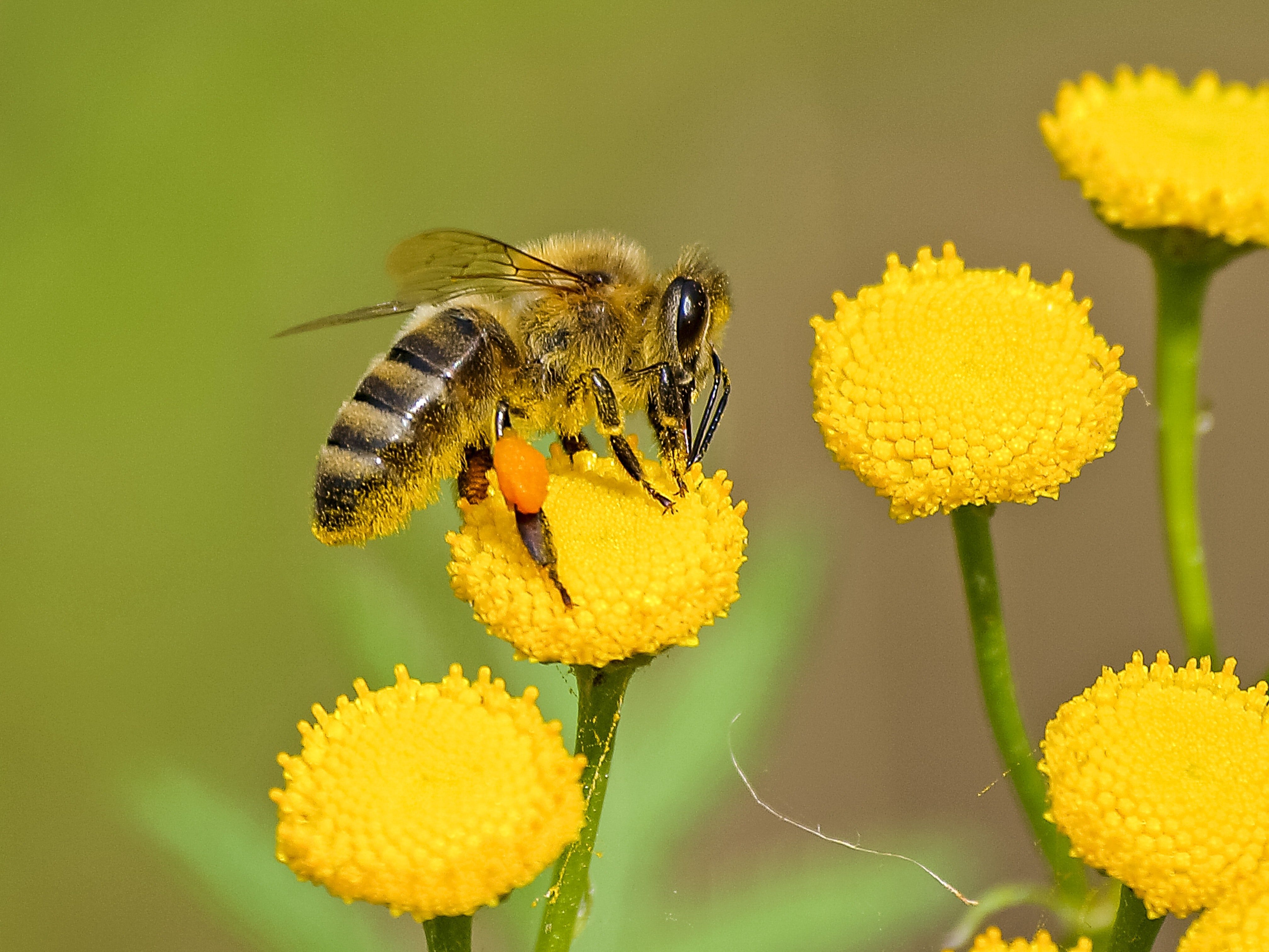
But it turns out that humans are novices in democratic organization, compared to a nonhuman species we share life with. Honey bees.
A book, Honeybee Democracy, attracted attention when its author, Thomas Seeley, of Cornell University, explained how bees make the decision to swarm and relocate to a new home. The venture involves scouting the countryside, visiting potential sites that other scouts have discovered, group discussion, and dancing to disclose location. Seeley says the bees cooperate in a way that humans would do well to emulate.
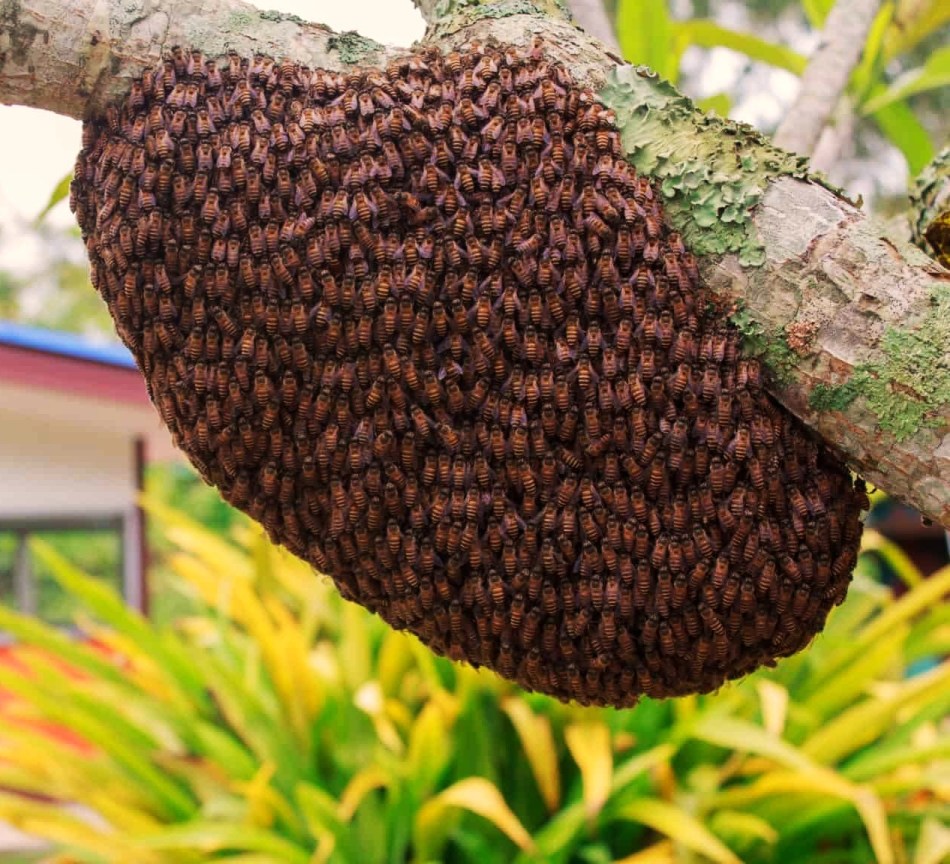
Honey bees swarm to multiply, continue the species, and extend their reach. When a hive gets crowded, or no longer feels vibrant, scouts, the most mature bees in the hive, go looking for a new home. Scouts report back their findings, then scout committees go off to check out the candidate sites.
While scouts may prefer the locations they found, the final decision stands on what is best for the hive’s welfare—proximity to water and food, safety, and comfort. It’s a lot to process for the bee’s poppy-seed brain.
Vigorous discussion follows. After arriving at a choice, the scouts rouse the queen and most of the workers to follow them to the new location. They leave behind enough workers to tend unborn brood and a virgin queen, who will mate and hopefully repopulate the original hive.
Seeley claims human groups could benefit from following the example of bees.
First, a group should be made up of individuals who share interests and mutual respect. Bees have a singular purpose that humans may not, but humans can remind themselves that everyone has a stake in the group’s welfare.
Second, leaders should minimize their influence on the group. In the hive, each scout has an equal say. True democracy. No leader collects the information from various groups or tells others what to do.
Third. Honeybees open themselves to diverse solutions. They investigate the widest possible choices, increasing their chances of ending up in great living quarters. Seeley advises humans to create environments where group members feel comfortable about proposing solutions.
Fourth. Spirited debate can be positive. Seeley says bees ingeniously balance interdependence and independence. They work together to sort out good options from poor ones. Looking around, we may wish we saw these principles at work more in our species, though Quakers manage to sit quietly, waiting for the Spirit to move them to consensus. They don’t require everyone to agree, but they decline to move ahead if someone actively objects to an idea.
Bees preceded us on the planet by millions of years. They have had more time to work out democratic decision-making.
Yet, even with all that time and practice behind them, bees sometimes end up in the eaves of gas stations, or under the hoods of cars, and we wonder, why?
Gorged with food, they may just be stopping to rest on their journey. Or, maybe they sometimes get it wrong.
Like us.

 1000 Reasons to Love Bees