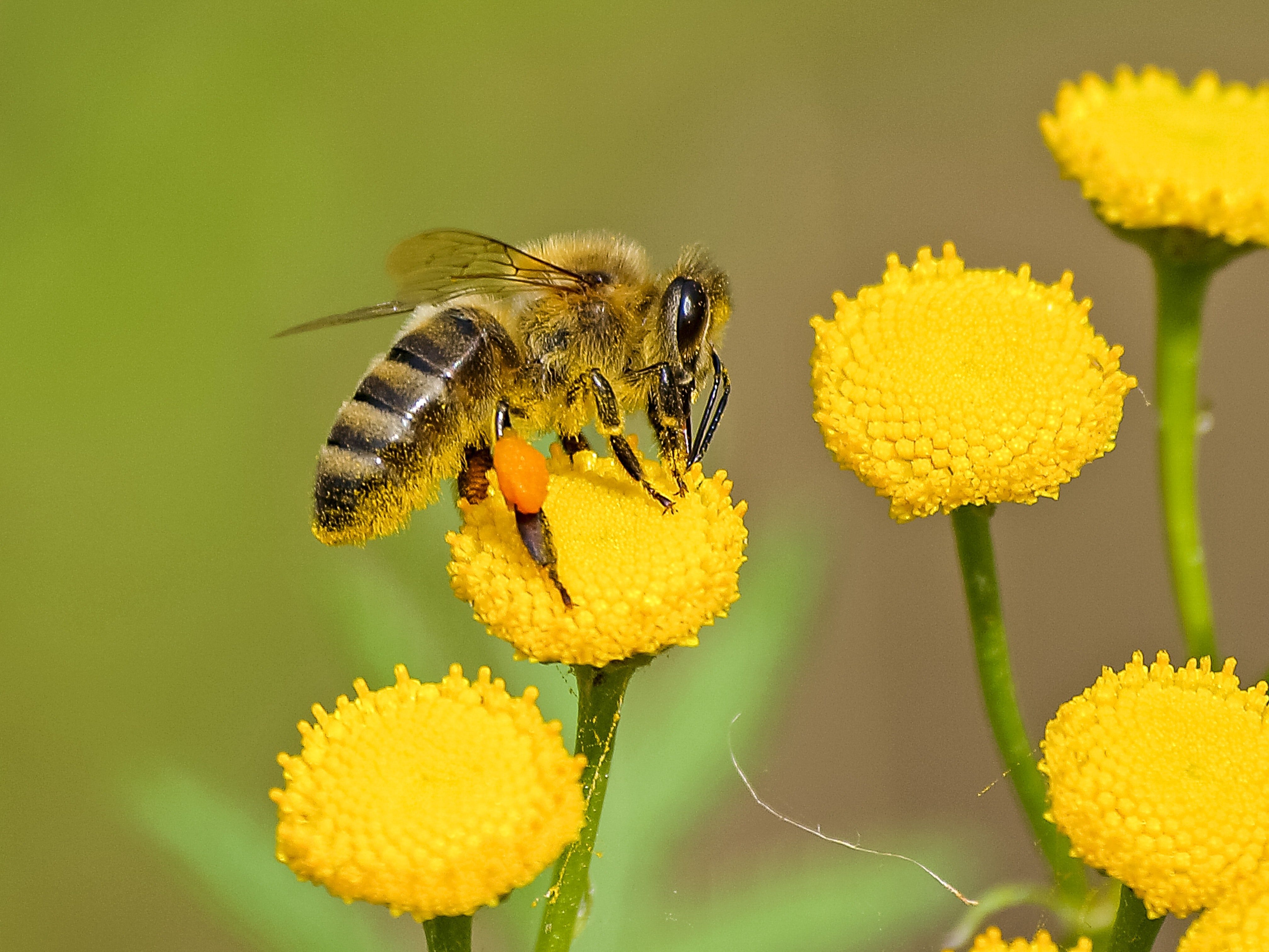
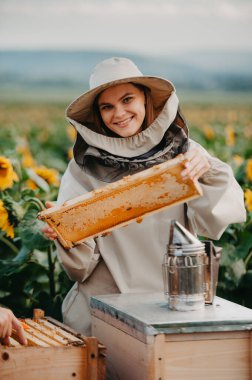
We in the states wring our hands over problems facing bees. A high death rate for colonies. Varroa mite invasion. Wild fires. Loss of habitat and flowers. The EPA dragging its feet in banning chemicals that kill bees and threaten human health.
These are legitimate concerns. But consider the unfortunate Ukrainian beekeepers and what they face. The Russian invasion threatens a proud industry.
At the start of the invasion, Ukraine was the largest European honey producer and the second largest producer in the world. Ukraine produced a bit more honey than the US, partly because along with a thriving commercial industry, many people keep bees and regard them almost like pets.
The EU favors Ukrainian honey because of its quality. Producers lean organic or have achieved that already. In 2020, Ukraine exported 81,000 tons of honey. About 220,000 beekeepers were registered with the government, but a fraternal organization of beekeepers estimates that real numbers are twice that.
War has savaged the industry. Honey bee research came to an end. Beekeepers had to flee their homes and abandon their hives. With no one to tend the colonies, disease and the lethal varroa mite parasite go unchecked.
Bombing and skirmishes have destroyed plants and flowers. Russian soldiers set homes ablaze, and some beekeepers have no home to return to. Other beekeepers are cut off from their bee yards.
Exporting honey and other crops became more difficult. Sunflowers, a major crop for Ukraine and a mainstay for bees, have been destroyed in some areas. Growers are hesitant to replant because Russian vehicles can hide in sunflower fields. Farmers may choose to plant rapeseed and buckwheat instead, but that is a difficult choice, because grain growers have been badly hurt, and they might prefer to plant sunflowers that bring in more money than wheat and barley.
Bees that survive have difficulty foraging for food in the ravaged countryside, which impacts the country’s long-term food security and economy.
Trapped in this horrific struggle to remain sovereign, brave Ukrainians dare to look ahead, and hope.
One beekeeper organized honey sales, with profits going to the military to buy bullets for soldiers. “We will take care of our business afterwards,” he said.
A man who owned a thriving commercial honey business lost everything in a bombing. He turned his efforts to volunteering, and started a program to educate injured combat veterans so they will have a profession to turn to after the war, and a way to support their families. He believes the program contributes to the soldiers’ psychological rehabilitation.
Beekeepers in areas not impacted by war are reaching out to help beekeepers in war-torn regions. One woman said, “We live in turbulent times that have a definitive bitter taste. All the more need for the sweet taste of honey.”
A google search turns up organizations that help Ukrainian beekeepers. Some have paired with Ukrainian beekeeping organizations to supply replacement bees, bee pollen, sugar for supplemental feeding, cleaning supplies, and vaccines.
Charity Navigator rates organizations for their effectiveness and legitimacy.

 1000 Reasons to Love Bees