We believe we are clever with our high-powered microscopes and telescopes, brain mapping and gene splicing, and advanced machinery. It surprises us when we learn that some ancient societies came to understand a lot, also.
The Mayan priestly caste shuttered itself indoors in the daytime so they could strengthen their night vision. From temple heights they studied the sky, learned to predict eclipses of the sun and moon, and planted their crops according to the position of the planets.
What else did they know? Recent archeological finds confirm that beekeepers played an important role in Mayan culture. The people who lived in the Yucatan Peninsula considered honey to be sacred and harvested it from the jungle. Honey became their main product for trade, and the heart of religious rituals.
Modern researchers recognize honey’s antimicrobial and antioxidant properties. They hope it can help replace antibiotics that no longer work for us. The Mayans applied honey to external wounds and consumed it to ease stomach complaints.
Tools used for beekeeping dominated the new cache Mexican archeologists unearthed. Scientists will analyze the 261 artifacts to learn more about Mayan life, but the team recognized them as beekeeping tools. They included hollowed-out logs that housed the bees, limestone lids used to cap the logs, vases to hold the honey, and axes and hammers.
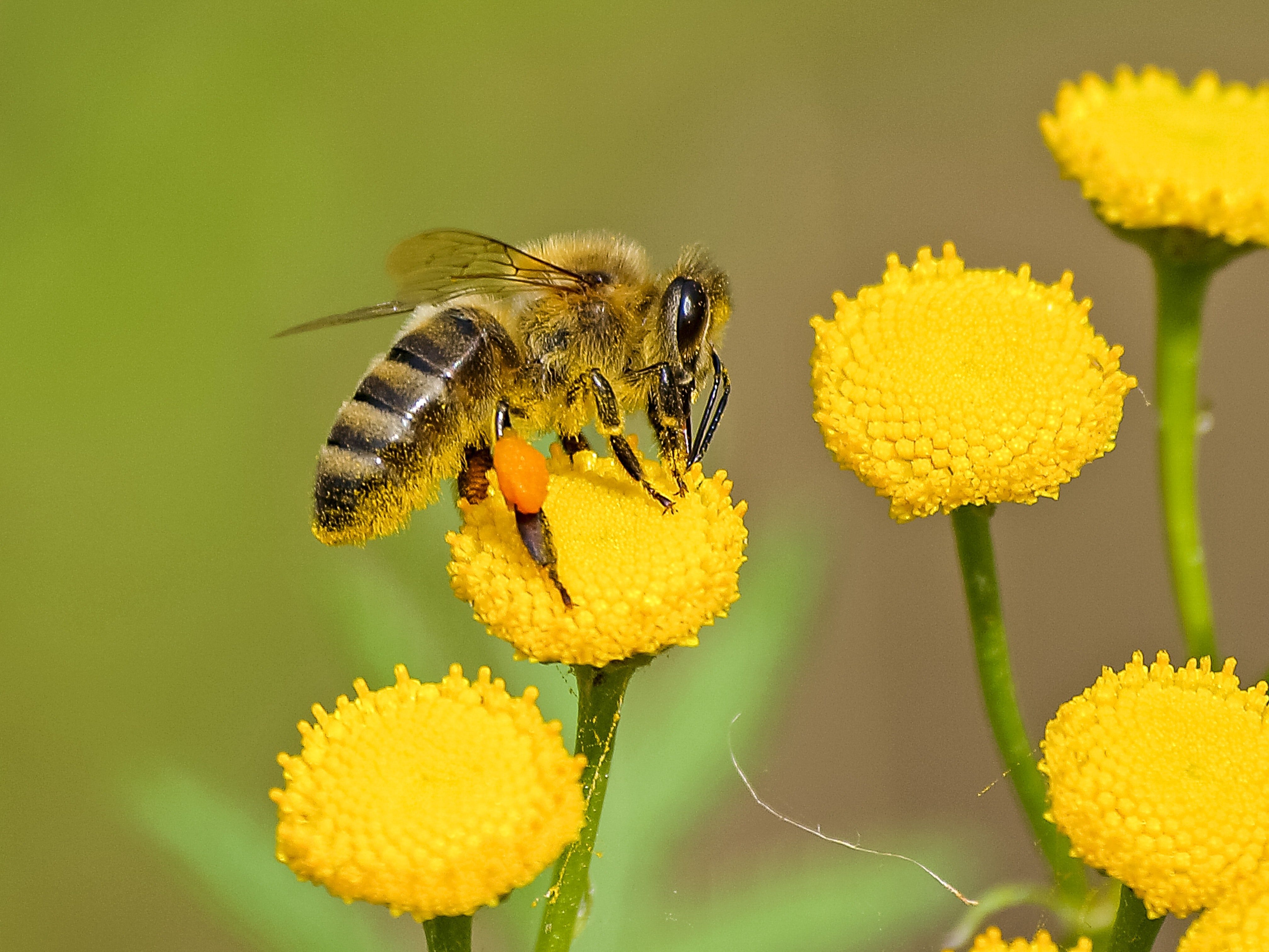
Mayans cultivated the Melipona bee native to that area, and considered it sacred. Many of their religious rites revolved around the bee. Indigenous beekeepers of that area today use similar tools and methods, and the same species of bee for honey production.
Which culture looks wiser? The one from fifteen hundred years BCE, where people celebrated bees as sacred and used honey to remedy internal and external medical problems? Or our modern culture where numbers of people consider bees a nuisance to be slapped and sprayed, and think that it is okay to ravage their habitat with deadly chemicals?

 1000 Reasons to Love Bees