Cassandra, the King of Troy’s beautiful daughter, turned the head of the god Apollo. Wanting to impress her, Apollo bestowed on her the gift of prophecy. But she wouldn’t have him, and he cursed her. She could see the future, but no one would believe her.
The gift brought her misery. Foreseeing death and chaos, she warned the people of Troy not to open the city gates to a giant wooden horse, a gift from the Greeks. No one heeded her. Greek soldiers who hid inside the horse sacked and pillaged Troy.
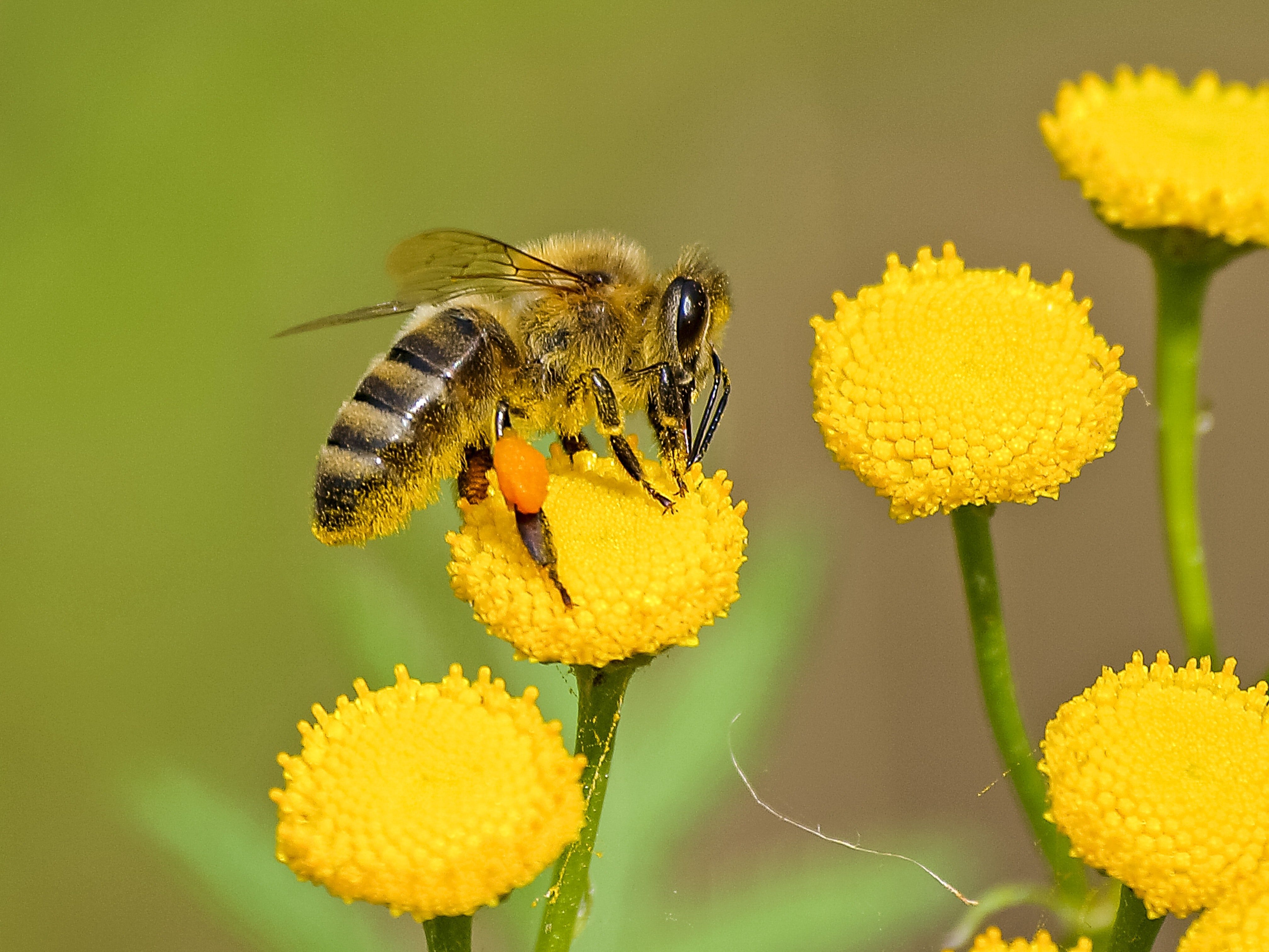
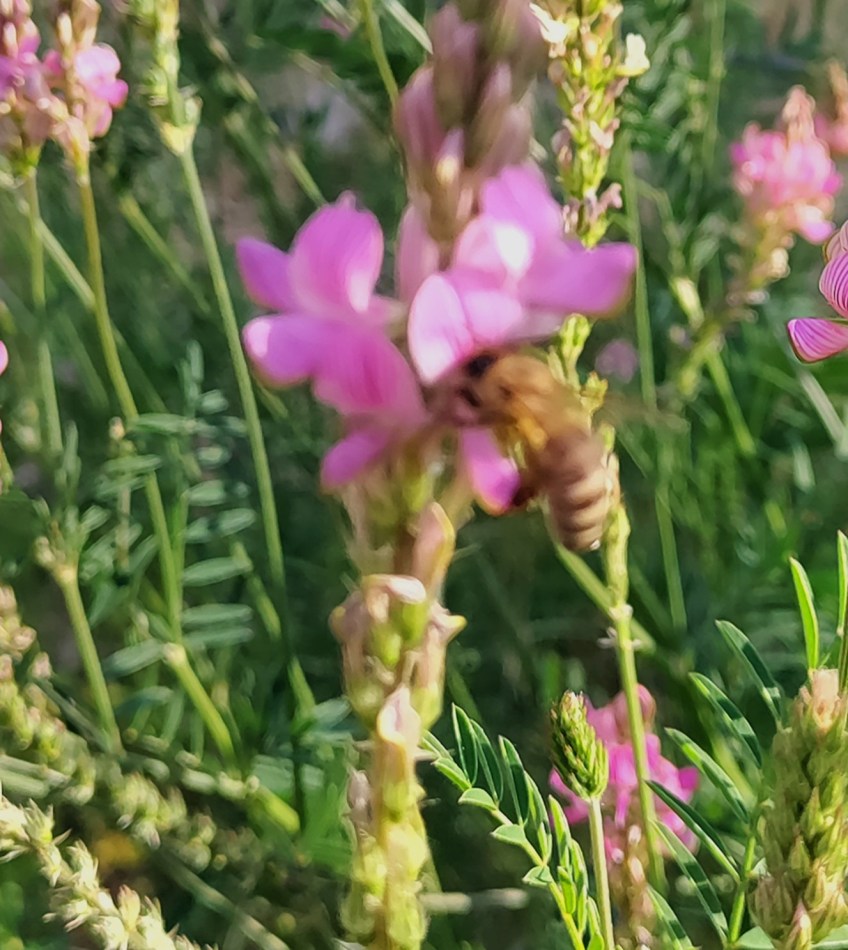
The myth expresses a truth we see played out in real life. We humans don’t like dire news and turn a deaf ear to it. Some want to dismiss the latest figures about the decline of bees. The report says that over 60 percent of bee colonies were lost during the last year.
“No way,” some cry. Losses during the past two decades sometimes reached as high as 50 percent, which was alarming enough. But organizations like the National Resource Defense Council and the Department of Agriculture stand by the disturbing new figures.
Of course people want to disbelieve. Three-quarters of our key food crops depend on bees and other pollinators. Experts tell of a general insect apocalypse, and we don’t miss some bugs. But we recognize our dependence on pollinators.
Many factors contribute. Climate change means more extreme weather. Too hot, too cold, too rainy, too dry. Flowers may bloom too early or too late for emerging bees. Loss of habitat factors in. Development means loss of native plants species. Monoculture—huge tracts of land given over to one crop—means bees don’t get the variety of blooms they need.
Varroa mites menace hives, and bees weakened by chemicals can’t overcome them.
The bee industry cannot understand why the U.S. allows neonics, a family of chemicals that have been banned in the EU and many other countries. Study after study confirms that neonics, present in agrochemicals, harm bees, wild and domestic. A strong corporate lobby defeats attempts to stop their use.
The decline in bee health should raise other alarms. A body of evidence shows that neonics pose health hazards for humans, including threats of neurological and developmental damage to children, especially those exposed in the womb. The chemicals remain in the soil and don’t dissipate.
We wish awful statistics and the gloomy people who present them would go away. But Cassandra shows us. We should listen to prophets.

 1000 Reasons to Love Bees
An excellent piece. Thank you for delivering this news in such a helpful way. – Tina
LikeLike