On my first date, a boy took me to a movie. His dad drove us, and his little brother, age 8, came along.
The movie featured a villainous giant spider with hairy legs and hideous fangs. I had hoped my date would hold my hand, but he couldn’t. My hands covered my eyes. Little Brother dove under his seat and hid.
Periodically, a movie, book, or article predicted a future where fragile humans would cede their dominance to durable insects, usually creepy ones.
That forecast hasn’t come true. Instead, insects have declined precipitously and some species have gone extinct. Even scientists who disagree with the idea of an insect apocalypse don’t dispute the losses. They argue that we have not identified all insect species because they are so numerous, so we don’t have the entire picture.
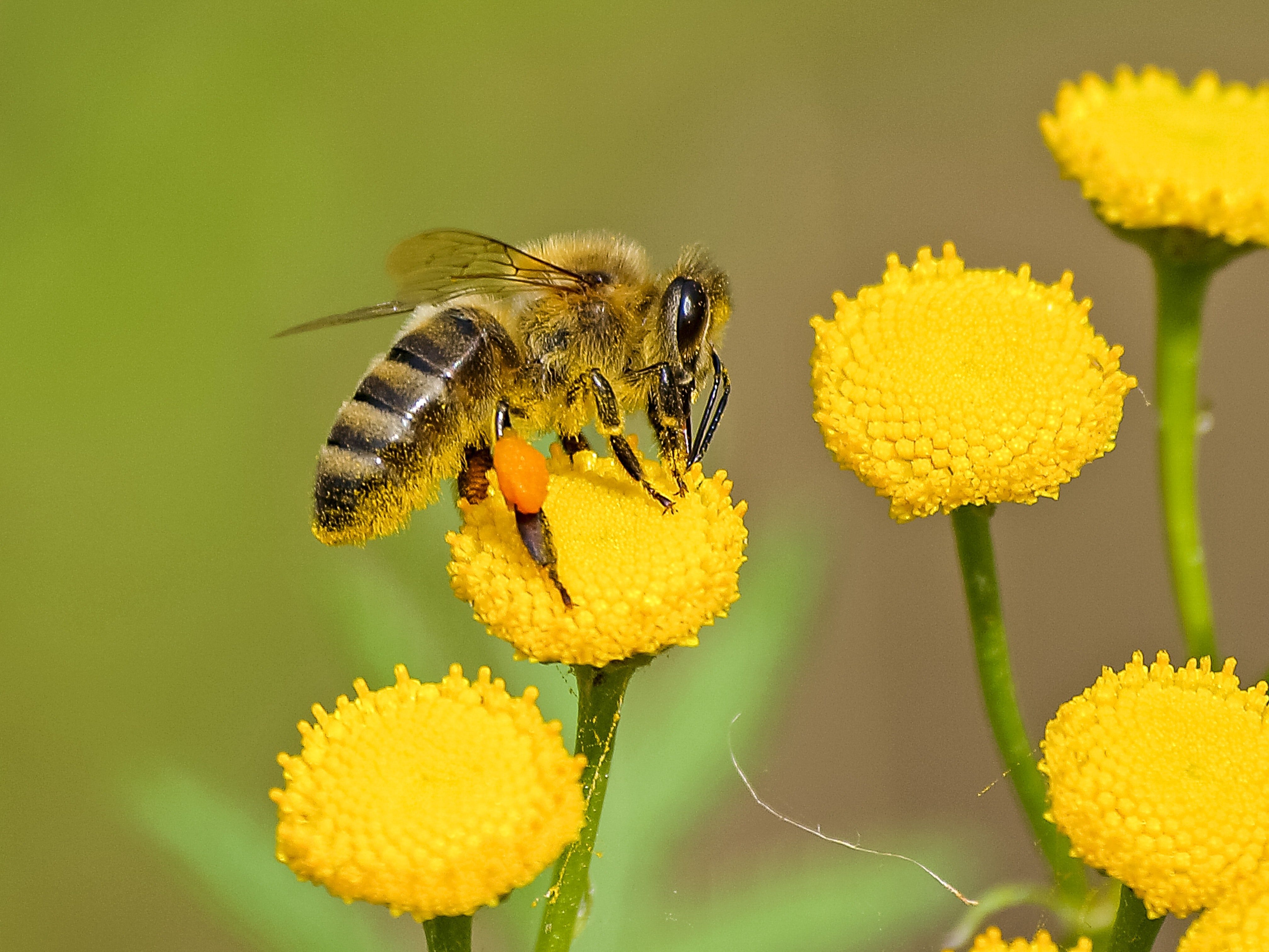
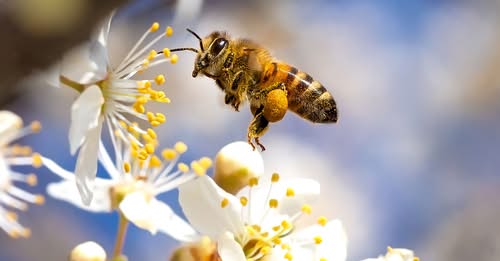
But we know about bees and butterflies, and the loss of birds who depended on insects for their diet. That is well-documented.
Harmful chemicals, urban encroachment and habitat loss, intensive farming and climate change all play a role in insect decline, and harm for the plants and animals who depend on them.
These problems feel overwhelming. But a 2007 book, Nature’s Best Hope—A New Approach to Conservation That Starts in Your Yard, became a bestseller by telling readers they could bring back the insects and birds. The author, Douglas Tallamy, an entomologist, urged people to convert their yards from lawns to native plants.
Tallamy had an ambitious proposal. If every American converted half of their lawn to native plants, it would restore 20 million acres of ecological wasteland. That would comprise the country’s largest park system.
Native plants advocates tell us that soil and weather conditions give those plants an edge over nonnative grasses and plants. And nourish birds and other species.
But as someone trying to convert a large section of lawn to native plants, I have seen that grass doesn’t surrender territory without a long, bitter fight. And sadly, nonnative weeds also can push aside beneficial plants.
I have planted species known to be aggressive that lost out to grass and invasive weeds. The past few years have shown me which native plants will hold their own in my yard against grass and intrusive plants. Yet, grown at a neighbor’s place, those same plants might struggle.
In hindsight, it might have been better to experiment with small areas that I could monitor before trying to convert a large chunk of property.
Converting half of U.S lawns stands as a great goal. But to people who can’t conceive of yards without border-to-border green lawn, it sounds radical. If each of us would convert just a section of property, we could help bees, butterflies, and the birds that we love, and overcome our feeling of helplessness.
Legions of people rent houses and apartments and have no say over the grounds where they live. Those folks can advocate for native plants in public spaces, and plant beneficial plants in pots to place on balconies and porches.
Here is the National Wildlife Federation web site for advice on native plants: http://www.nwf.org/NativePlantFinder.

 1000 Reasons to Love Bees