Photo by Debbie Orme
When people read dystopian books or articles about the changing environment, do they change their ways and better respect Mother Earth? Should the public be made aware of all the dire scenarios climate change presents? Or do predictions about a dark future cause people to lose hope and surrender to passivity?
Climate writers have been debating this. Writers who concentrate on environmental topics hoped to gin up compassion for our planet and for the populations most affected by global weirdness. But now those writers ask themselves whether they have scared readers into despondency.
Some propose a different approach. To write “hopeful dystopia.” They look to the butterfly affect for inspiration. Their imaginary characters or the real people they write about will make small changes that if widely adopted would help avert the worse consequences of climate change.
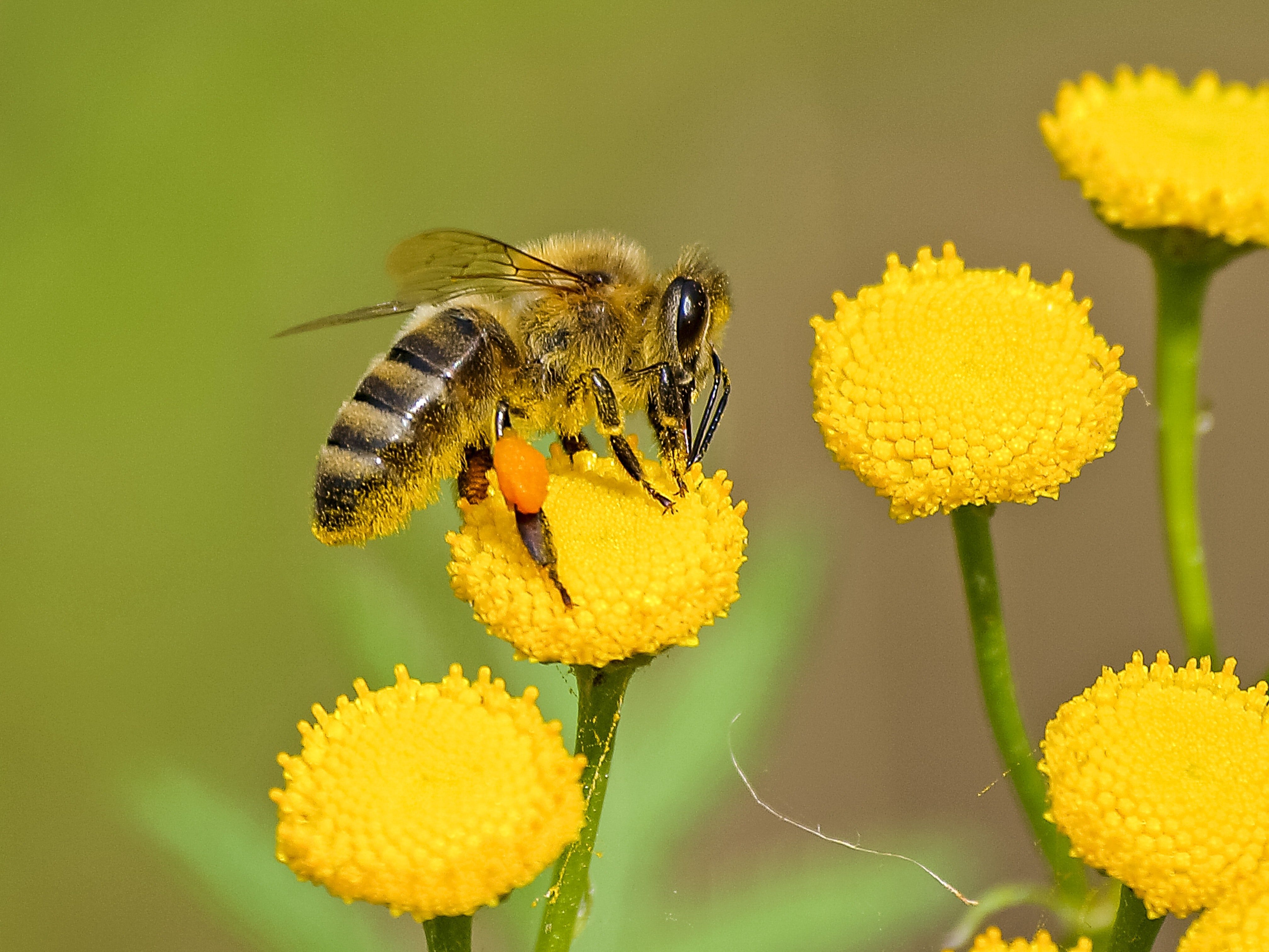
Beekeepers have held that view for a while. They acknowledge the serious decline of bees and what that means for humankind, while pleading with the public to make small, personal changes that will help stop the losses. These changes can be adopted with little inconvenience, and if multiplied, make a significant difference.
Folks can designate a portion of yard to dandelions. Or they can lift the mower blade in spring to allow dandelions to flourish when bees need them most.
They can sign on to No Mow May. Communities and countries who practice this have seen a return of beneficial insects.
Concerned people can sign petitions and write representatives, urging them to ban neonics, a family of chemicals used in pesticides. These harmful chemicals weaken or kill bee colonies and are harmful to humans, too. The EU and other countries have banned them; some US states have.
Gardeners can favor pollinator-friendly flowers over ornamentals that don’t benefit bees and butterflies. And native plant species generally support all insects better.
What can those who live in apartments or rental homes do? Place planters with beneficial flowers in entryways, balconies, and even on rooftops.
We must teach kids to respect bees and learn to coexist with them. A couple of years ago someone posted a story on Facebook about kids who sprayed a bee swarm with a garden hose. An adult tried to save the wet bees by placing them in a dry, sunny place, but the bees died. The kids may have thought they were destroying dangerous insects. Bees can sting, but mostly go about their important work of pollinating and creating a honey supply for winter. Wasps, hornets, and yellow jackets act more aggressively, and bees often get the blame for stings they inflict.
Mother Teresa left us good advice. “It’s not about doing big things; it’s about doing small things with great love.” Benjamin Franklin said, “Little strokes fell big oaks.”

 1000 Reasons to Love Bees