bees, pollinators, beekeeping, environment · natural cures · nature

I’m Pickin’ Up Good Vibrations. Oom, bop, bop.

 When I used to walk with my friend Mary, she sometimes stopped, closed her eyes, and said, “Listen.”

What? I didn’t hear anything, not at first. But a moment later, the hum of bees would reach my ear.

Mary resisted hurrying on. Instead, we stood listening, on a town sidewalk or on a hiking trail, and as the sound seeped into me, so did a sense of peace.

Mary, an intuitive person, grasped something that folks ancient and modern have believed. The sound of bees can heal us.

Slovenia has a high density of bees compared to other countries. A fire department there recognized the stresses firefighters face—accidents, casualties and disasters, along with fighting fires. The department employed psychological help, but wanted to add something else to promote relaxation. The station took up beekeeping.

Firefighters believe that the sound of bees calms them. “The fragrance the bees emit is also healing,” a firefighter said. Another said, “The demand for mitigating talks after difficult accidents has diminished. The atmosphere is different, more positive.”  

At some Slovenian schools, students coexist with bee colonies. Teachers send restless students to care for the bees, and it calms the child.

A beekeeper in Rochester, Massachusetts, has constructed a shed above her hives, where visitors can seek rest. The visitor lies on a wooden bench, separated from the bees by wire mesh, and lets go of tension. The beekeeper says the visitor departs with more energy, and she believes the sound helps asthma, insomnia, high blood pressure, and other maladies. Similar places can be found in California.

Ulleotherapy, the practice of sleeping above bees, is common in Russia as well as in Ukraine, China, Japan, Korea, and Canada. In America, the practice usually is called bee therapy, or sleeping with bees. 

Proponents say many factors combine to provide a state of healing for the body. The micro-vibration created by bees fanning their wings, to evaporate moisture from the nectar, is one factor. For the person sleeping above the hive, it is like a light vibro-massage, acting positively on the nervous, circulatory, and muscular system.

Clean, ionized air, as in ionotherapy, is created in the hive and inhaled by the patient sleeping above. The air comes through a fine mesh screen. Advocates suggest that microbes in bronchi and lungs are killed during ten minutes of inhalation. 

Aromatherapy offered by the smell of nectar, honey, and propolis, all create a relaxed atmosphere, inducing sleep for many participants. 

Bee buzzing induces a mild, meditative trance. Supporters claim this balances the sympathetic and parasympathetic nervous systems, and removes fatigue, stress, and tension. Physical and emotional relaxation trigger an improved emotional state.   

Proponents say that numerous studies have reported positive effects in rheumatic, dermatological, urology, gynecology, cardiology, endocrinology, and respiratory systems, as well as the musculoskeletal system. Some say it cures chronic diseases, normalizes potency in men, and eliminates insomnia. 

I couldn’t find these studies. Maybe a longer search of the internet would have uncovered one.  

Claims for the benefits of sleeping with bees may be exaggerated or may be right on. But those of us who like bees can probably agree on this. Taking time to sit beside a hive, or beneath a blooming fruit tree, humming with bees—just listening—might be the most soul-nourishing thing we do that day.   

bees, pollinators, beekeeping, environment · natural cures · nature

Please Won’t You Bee My Neighbor?

The man who taught Beginning Beekeeping advised us to inform our neighbors that we had acquired bees. In his view, it was the neighborly thing to do.  

The first time I raised bees, many years before, we planted our hives on a distant corner of our 40-acre farm. We ignored them. They left, eventually. I planned to do beekeeping with more care this time.

I live on an acre in the country, with lots of room. When I saw my closest neighbors working in their yard, I went over to tell them I had purchased bees and bee houses. I mumbled it, like a confession.   

The couple looked at each other. “Yay!” the man said. The woman said, “Let’s plant our garden close to the fence, so they don’t have to fly far.”

The neighbor I share irrigation water with said, “I hope this helps our pear tree. It hasn’t been doing well.” Today, that neighbor calls the pollinators in her productive pear tree “our bees.” “I’m getting rid of wasp nests,” she says, “to protect our bees.”

A summer celebration in our rural community brings together people from acreages and from farms. The first summer I had bees, I sat down to eat at a table of farmers. A man said to me, “Are you the one with bees?” Uh-oh. Had he been stung? Had my bees annoyed his wife as she hung her wash?  

A suspenseful silence followed. Finally, he said, “We have the best raspberry crop we’ve had in years. Tell your bees thank you.”

A good friend of mine longs to keep bees, but her across-the-street neighbor has a severe allergy. Bees forage a three-mile radius, so the man likely encounters bees, regardless. But I understand not wanting to increase his risk.   

In spring, bees can be a nuisance. They act confused when they first emerge. My neighbors tell me that my bees swarm around their yards. In spring, I can’t go in and out of my house without a bunch of bees following me in.

For years, I tried to capture them individually, with an envelope and a glass. Often, this resulted in accidental deaths. Now I leave the door open. Wasps aren’t out yet, and flies are few. The bees hum around the kitchen for a while, then leave. This investigative phase lasts for only a couple of days.   

One year, I bought used equipment from a beekeeper who lives in town. The city allows for four hives, and that’s what he has—four neat hives snugged up against his house. I asked how his neighbors feel about them.

“They don’t know I have them. Bees go up. In the morning, my bees fly up and away, and the neighbors aren’t aware they live here.”

It looks like beekeepers have a choice. To tell their neighbors, or not. A disadvantage in not telling, seems to me, is that the beekeeper misses out on neighbors’ gratitude.  

Some people don’t want to be near bees. Some people mistake wasps for bees. But even those who are leery of bees understand their importance to everything—vegetables, nuts, alfalfa hay for dairy cows, beautiful flowers.

People miss bees when they aren’t present, and welcome them when they come to a  neighborhood.

bees, pollinators, beekeeping, environment · natural cures · nature

The Good Word on Honey from Regular Folks

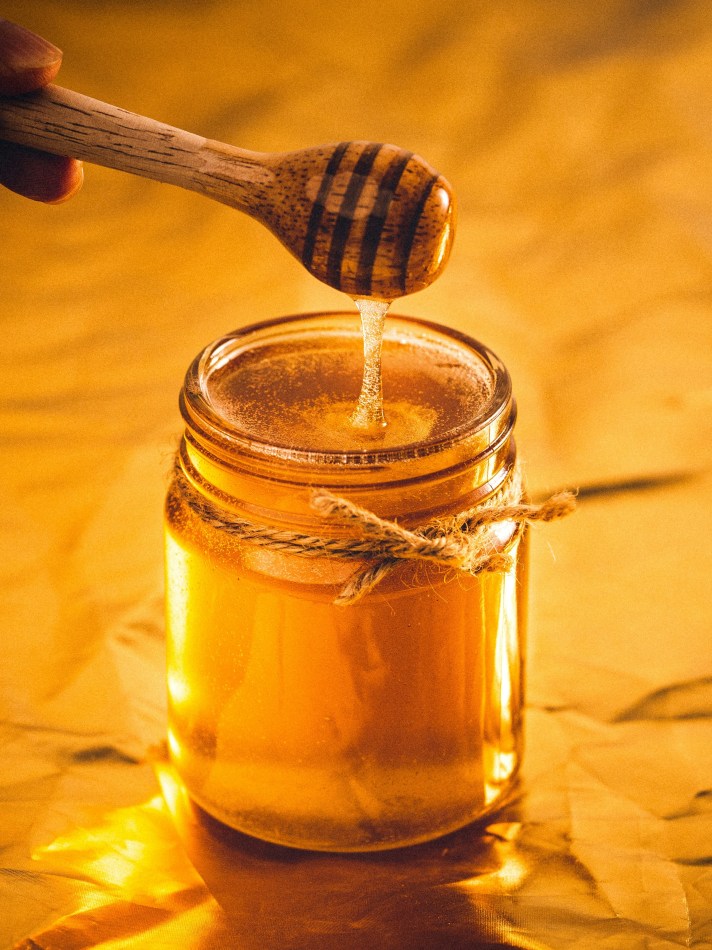
Photo by Art Rachen/Unsplashed

When I hear a hard-to-believe story or theory, I check with Snopes to see if it is real.  And when someone tells me about a miracle cure, I search for lab studies that back up the claim.    

But when it comes to honey, I love hearing the opinions and experiences of regular folks. A belief that has not been tested in a laboratory can still be valid.   

While waiting for a friend at a coffee shop, a cheerful man at the next table wearing a Vietnam veteran hat started telling me his recipe for good health. Honey. A tablespoon every morning. The man buys expensive manuka honey, which is loaded with healthful properties, but gets it at Costco where the price isn’t as steep.

“I feel great. I have longtime medical issues, but they don’t slow me down. Honey helps many systems in the body. I have a positive mental attitude, too, which honey has played a part in.”

A woman I knew suffered from severe allergies and asthma, year after year. She went from one specialist to another. One doctor advised her to find a source of local honey, which she did. After taking it for a while, she experienced the best spring she could remember.

A man who owns a thriving honey company here said he depends on a spoonful of honey every day for health. He takes his at night.

 “Our brains work all night. I want to send my brain nourishment, so I take a spoonful of honey at bedtime. I sleep like a child.”

 Here are other testimonials I have heard or read.

A man who had chronic digestive issues since he was a child had tried enzymes and probiotics and all kinds of cures. But honey worked for him, and right away. He felt like a new man within a week.   

Several people report that they apply honey to cuts, even deep ones, and the area heals without scarring.

A family that has various ailments, including high cholesterol, diabetes, an anxiety disorder, and high blood pressure enjoys breakfast together, one that is healthful for all of them. Oats cooked with raisins and cinnamon. When it cools slightly, they add honey.  

A woman makes sure her 89-year-old mother has a teaspoon of honey three times a day.

Some people report honey aids with weight loss. They say their cravings for sweets went away when they added honey to their diet. Some mix the honey with other ingredients like lemon juice, apple cider vinegar, or ginger, and subsequently lose weight. Sometimes 20 pounds or so.   

Many rely on honey and tea to quiet coughs. When my children were little, our general practitioner told me that no cough medicine from the store could equal honey and hot tea.  

I appreciate that prestigious laboratories are studying honey and its health benefits. I’m happy their findings back up what people for centuries have believed—that honey is a boon for humans, because it is delicious, and also contributes to human well-being. Science bolsters honey’s reputation.  

Still, you can’t beat a personal story from someone who credits honey for a positive impact on their health. That person is apt to care about bees and their welfare.    

bees, pollinators, beekeeping, environment · natural cures · nature

Wee Wildlands Outside Our Doors

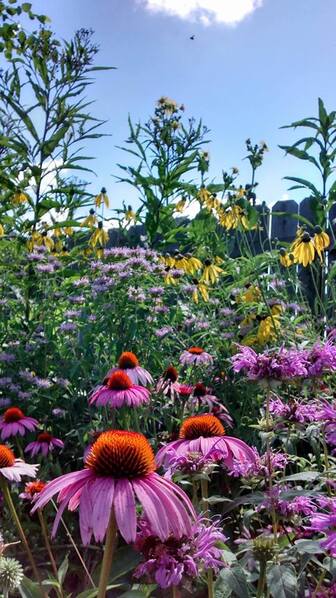
I converted part of my lawn to native, pollinator friendly plants so my bees don’t have to go searching for flowers, or forage where plants have been sprayed with harmful chemicals.

But some folks are replacing lawns and restoring native plants for a selfless reason—to create miniature sanctuaries where native plants, insects, birds, and small mammals can thrive.

Natural spaces perform vital functions. They provide for the food web, supply clean water, pull carbon out of the air, and shelter native insects, pollinators, birds, and animals. 

We in the West take public spaces for granted. Many of us live within easy driving distance of great expanses of open land or forest. It surprises us to learn that ninety-five percent of the natural landscapes in the U.S. have been transformed. In the lower 48, half of the land holds cities and streets, airports and shopping malls. Farms cover much of the other half. Only about 13 percent of U.S. land enjoys some kind of protection.

That is not enough to sustain wildlife, birds, and insects. In half a century, 3 billion, or 30 percent of the bird population, has disappeared. The loss of insects, including beneficial ones, has been staggering. Caterpillars who turn into beautiful butterflies depend on certain native species, and cannot reproduce amid ornamental plants and invasive species.

Ecologists, botanists, and nature lovers want to persuade owners of private land, which makes up 83 percent of the total, to turn their yards into miniature national parks. That can range from tiny plots, even container gardens, to corporate headquarters and school campuses. One proposal sees half of the 40 million acres of lawn in the United States returned to native plants and trees.

Doug Tallamy, author of the Homegrown National Park concept, said, Our national parks, no matter how grand in scale, are too small and separated from one another to preserve species to the levels needed.” The Homegrown National Park idea is a bottom-up call to action, to restore habitat where we are, creating wee national parks in our yards and neighborhoods. Tallamy says, “Our landscapes must enable ecosystems to produce the life support we and every other species requires.”

 Activists concede it will take time, and advise converting one area of property at a time. They offer suggestions for how to make changes acceptable to neighbors and home owner associations (HOAs). Put a curving walkway through a native plant area. Leave areas of manicured lawn around borders. A small, inexpensive fence around native plants signals that the plants are intentional. Trim bushes.  

 Some places have weakened HOAs. Maryland law prevents HOAs from prohibiting environmentally friendly yards, and other states and some cities have similar laws, or are considering them.

Mini wildlands would change the outlook for our honeybees and for native bees.

In 1949, Aldo Leopold, the father of modern conservation, urged us to have an ethic that allows us to see land as more than a commodity.

“When we see land as a community to which we belong, we may begin to use it with love and respect.”

bees, pollinators, beekeeping, environment · natural cures · nature · Uncategorized

Bring Back the Bugs

We didn’t like living with insects. Spiders startled us, flying insects smashed themselves against windshields, and ants showed up minutes after we spread the blanket for a picnic.

It turns out, insects did not like living with us, either, and decided to check out. In the last 40 years, insect populations decreased by 45 percent. Just as we started to appreciate that everyone has a place in the choir and the ecosystem. The insects who promote health in agriculture, forests, and plains disappeared along with the ones who bugged us.

The plight of bees gets a lot of attention. The measures we take to help them will benefit other insects, too. Bringing back native plants, ones that evolved with the ecosystem where we live, helps bees, domestic and wild, and their six and eight-legged buddies. Eschewing chemicals helps, too. 

Not everyone can comfortably replace their lawn. People have neighbors with expectations. Some homeowners are governed by HOAs. Renters would seem to have no opportunity to help. But this week I heard of practical suggestions that almost anyone can adopt.

Designate a certain area of yard to native plants. If the neighborhood is strict, a small, inexpensive fence around the native-plant area will signal that the plants are intentional. Many native plants are attractive, and can add to a yard’s beauty. Some plants attract pollinators, but are not native and won’t interact with the animal and plant life around them. 

Some varieties of caterpillars fall from trees, and spend the next phase of their life in vegetation at the base of trees. Trouble is, caterpillars fall onto naked ground. Most yards and all parks have barren circles at the base of trees.

Native species planted around trees invite insects back. To many eyes, the plants bring extra beauty.

Renters or apartment dwellers can offer to adopt a single tree and cultivate plants around it. The expert I heard said most landlords don’t object to a person getting involved with the yard. The same can go for HOAs. A person can start with a single tree, rimming it with plants, and then add more.

Expensive fogging for mosquitoes doesn’t work, but does harm other insects. People can build a mosquito trap in a half-bucket of water, and add an inexpensive mosquito dunk pill, available at hardware stores. 

Some folks resent honeybees. They say the European honeybee has pushed native and wild bees aside.

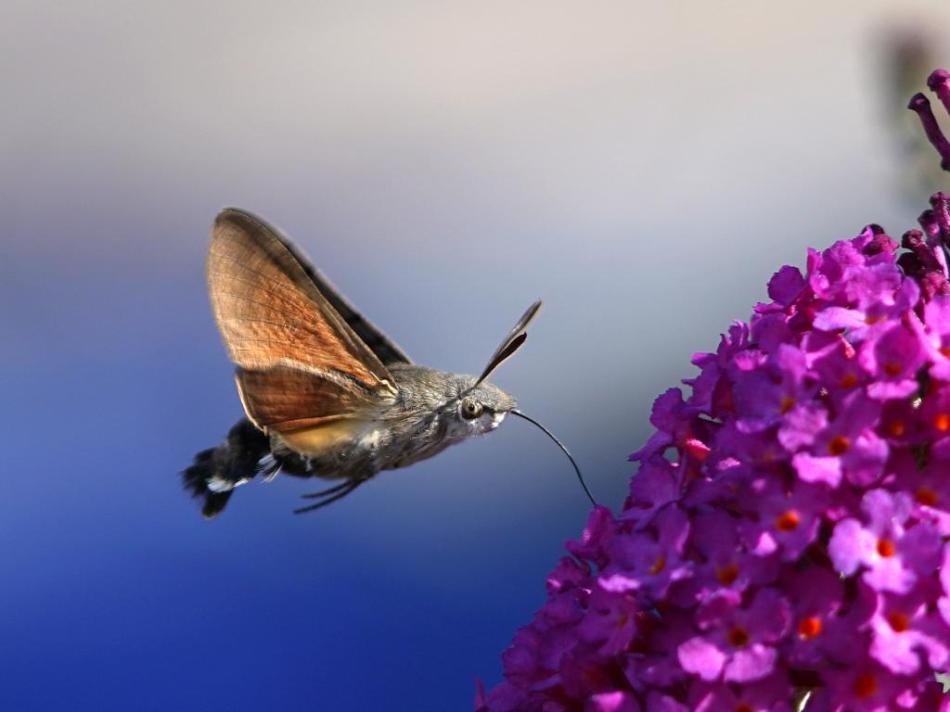
Those of us who keep honeybees like how useful they are. We love and revere honey, and know that honeybees are vital to fruit trees, berry bushes, vegetable gardens, and nut groves. I see many native bees in the pollinator-friendly flowers I have planted, and the plants also attract butterflies, moths, and hummingbirds.

We can work together to bring back the bugs.

bees, pollinators, beekeeping, environment · natural cures · nature

Ugly Lawns and Gray Hair

A six-person panel of international judges gave first place in the World’s Ugliest Lawn Contest to Kathleen Murray of Tasmania.

The competition started in Sweden as a way to reward water conservation. Lawns require a lot of water.

Murray’s dusty yard, pocked with holes dug by animals, placed first. I was struck by something she said.

“It’s a bit like women (she could have included men) who choose to stop dyeing their hair and let it go gray.” Sometimes a person freaks out and goes back to dyeing, but she chose to “let my lawn go gray.”

I have done both. Let my hair go gray, and tried to rid my front yard of grass. I think Murray’s comparison works.   

We who embrace gray hair enjoy how easy it is. No more visits to a salon or time-consuming do-it-yourself sessions at home. It may be healthier to avoid chemicals on our scalp.   

But some people like to see the brunette, blonde, or red-haired person they have always known looking back at them from the mirror. Colored hair usually looks younger, which may be a benefit in certain occupations.   

A friend and mentor of mine kept dyeing her hair until she left this world at 94. No one who knew her would call her shallow or vain. She had a reputation for being wise, loving, and lovable.    

Back to lawns. For years, I have been trying to replace my front lawn with plants useful to pollinators. I have variously suffocated the grass with black plastic, cardboard, or straw. One year, I hit it on all fronts. I used black plastic, straw, and had it plowed. I sprayed with a chemical. I thought I had seen the last of it.    

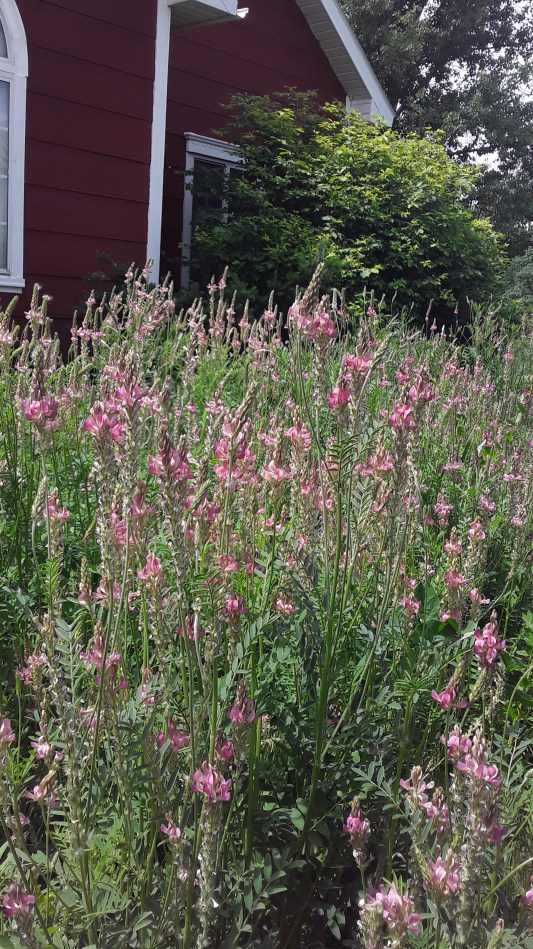
A satisfying crop of sainfoin, a cousin of alfalfa, bloomed where the lawn had been, and flowered for months. The bees loved it. I considered it beautiful, with its multiple pink flowers on every stalk, loaded with bees. But when a friend visited, he asked, “You planted this? Looks like a bunch of weeds.”

Morning glory (bindweed) wound its nasty self around the sainfoin stalks, choked it, and killed it. I turned my battle to getting rid of bindweed, a labor-intensive effort.

Just when I thought I had won, grass returned and pushed out the sainfoin. Grass puts up a fight. I turned to cardboard and tarps again, and starved the grass of water. By then, I had learned that sainfoin requires more water than some alternatives, and planted clover.

I live in a rural area with lax zoning regulations and no HOAs governing lawn care. It would be harder for me if disapproving neighbors scowled my way. 

Advocates for native plants talk about the advantage of not mowing lawns. That may be true once the grass has been vanquished and native plants have established themselves. I have struggled to learn how much water native plants need, and which ones agree with my kind of soil. My back yard, still in grass, seems easy to care for by contrast.   

I am not giving up. The clover I planted last fall peeked through before the snows came. I’m told it will give grass a run for its money. And we know how bees feel about clover.  

The manager at the garden center where I bought clover seed had just returned from a national conference. He told me it is only a matter of time until lawns disappear. He sells lawn seed and lawn products, and anticipates modifying his inventory. Extended drought in the Western U.S., and the world-wide shortage of water mean that drought-tolerant plants will replace lawns.   

We will learn to see them as beautiful. Sort of like gray hair.

bees, pollinators, beekeeping, environment · natural cures · nature

Bees and Our Colorful World

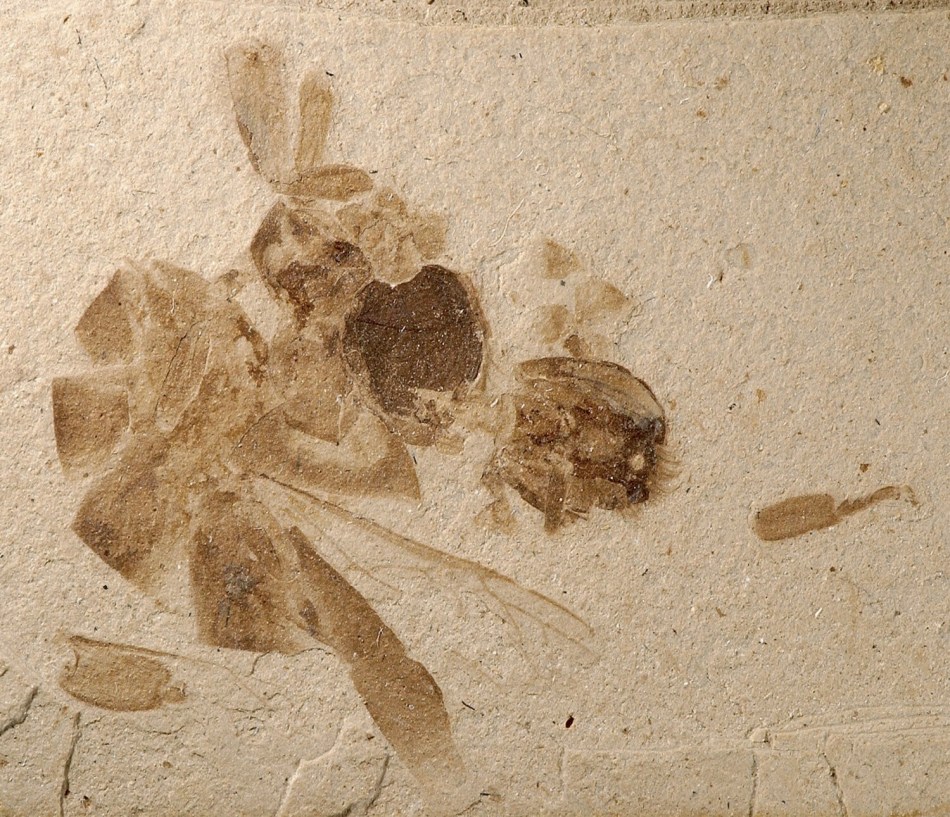
Early North American bee fossil

We appreciate bees because they give us delicious honey. And we bless them for an abundant assortment of fruits, vegetables, berries, and nuts to nourish us. But we forget, or maybe never knew, that ancient bees gave the world something else. Color!   

The planet looked much different 130 million years ago. New continents emerged from shifting land masses, new oceans were still forming. Green trees, some of them ancestors of present-day trees, grew in lush forests. Huge, herbivore dinosaurs had plenty of vegetation to consume. Pterosaurs with 40-foot wingspans flew over this ancient scene, and looked down on landscapes that were green, gray, brown and tan. Colorful flowers had not arrived.  

Plants reproduced inefficiently. The wind carried pollen, but most of it fell on the ground or was carried out to sea. A tiny percentage of pollen fell on female plants, by chance. Sometimes pollen caught in the hairs of big, clumsy animals and spread that way, but overall, plants reproduced slowly, and took a long time to spread.  

Insects liked nutritious pollen. Some insects got good at collecting it. Sometimes, insects accidentally dropped pollen onto female flowers.

Flowers saw an opening. They began to compete for the attention of insects. They started to grow in conspicuous shapes, and wear an array of colors that would stand out in a monochromatic scene, and be visible to insects.

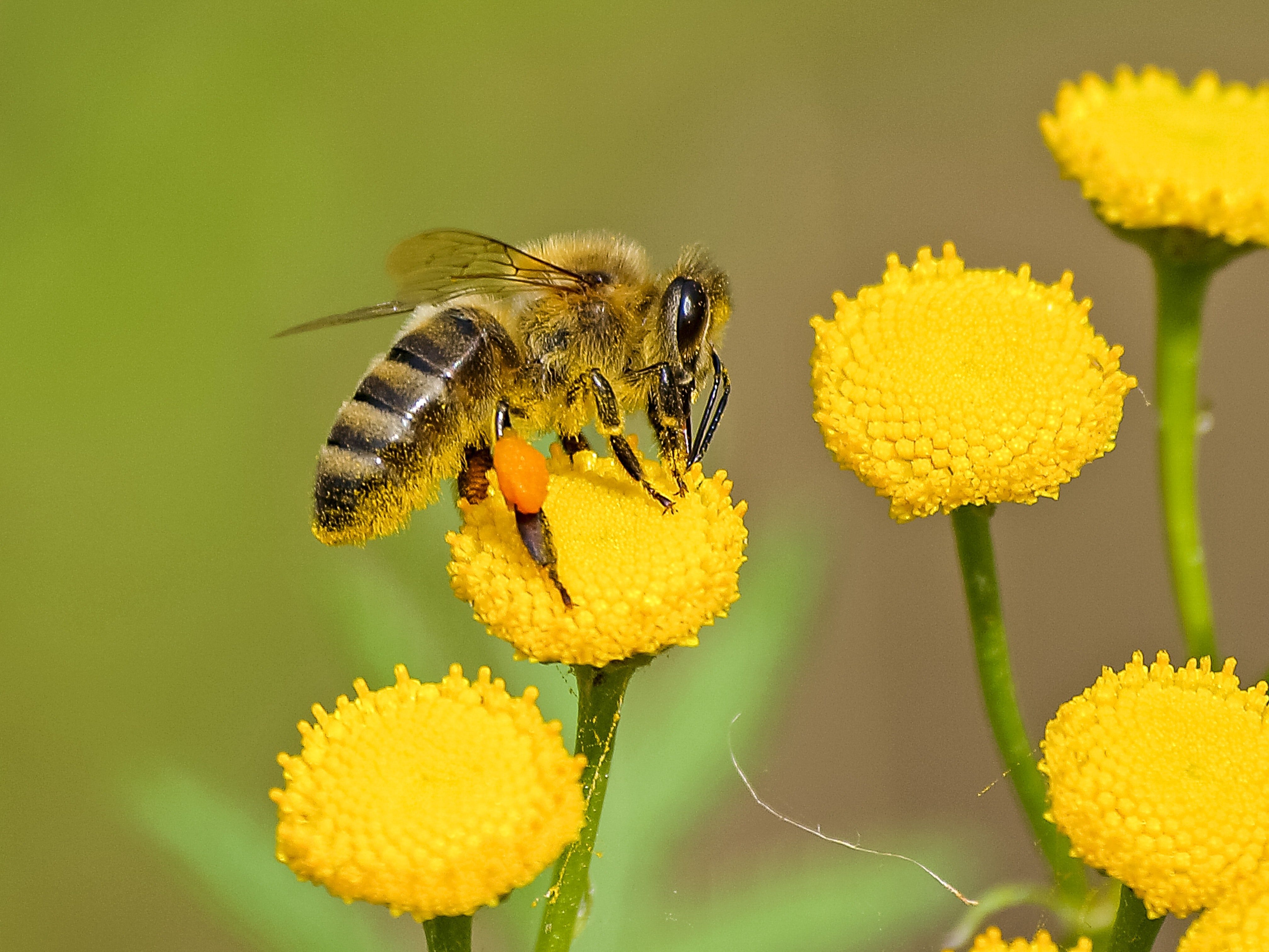
The insects developed modifications, too, such as body hair, to assist them in collecting pollen. Bees and flowers evolved together. Honey bees have hairy areas on their back legs, called pollen baskets. A forager honey bee can carry almost her own weight in pollen.

As an added enticement, flowers became fragrant. Upping their game once more, flowers started to produce nectar to attract pollinators. Flowers hid the nectar so the insects would need to spend time when they visited, and get saturated with pollen. The insects, in turn, evolved long tongues to reach the nectar.

Scientists tell us that an 80-million-year-old bee, fossilized in amber, had already evolved a social lifestyle. Scientists found evidence of picnics and parties, I guess.

Until recently, entomologists believed bees evolved from carnivorous wasps. But now a University of Washington team has a different idea. An extensive genomic project showed that bees evolved more quickly than previously thought in the Southern Hemisphere. That may be one reason that hemisphere has such diverse and vivid plants.    

Those of us who endure long winters cherish the spring moment when we walk outside and see a yellow, or ruby red, or purple flower standing tall in a patch of mud-brown earth. We praise that flower with poems and songs.  

Let us also send gratitude to the bee, who played an indispensable part in creating a world of vibrant color.   

bees, pollinators, beekeeping, environment · natural cures · nature

A New Year, and Hope

As we walk into the new year, bee lovers see pockets of good news to smile about. Those include: reports of a promising vaccine against disease, bumble bees who fight off Asian hornets, and states adopting measures to limit the use of neonics, a family of chemicals that wreaks havoc on pollinators.   

Scientists had long believed that insects don’t create antibodies, so vaccines wouldn’t work on them. But researchers discovered that bees have a primitive immune system. A queen bee had an immune response when exposed to bacteria. The University of Georgia, partnered with a private animal health corporation, discovered that a vaccinated queen will pass immunity to her numerous offspring. A scientist said it was “like magic.”

The vaccine can combat foulbrood, a bacterial disease that until now has been incurable. Our government, along with those of other countries, requires infected bees, hives, and all beekeeping equipment, to be burned and buried. The disease can wipe out a commercial or backyard beekeeper.  

The new vaccine is expected to protect against other diseases and viruses, too. And maybe some pests.     

So far, negative side effects have not been observed in colonies, and the vaccine hasn’t had an impact on the honey.

The yellow-legged Asian hornet has invaded mainland Europe, where it has no natural enemies, parts of east Asia, and for the first time has been spotted in the US. Sightings in the UK and mainland Europe are at an all-time high, and people fear for the bees.

But scientists in the UK found that a certain species of bumblebee will fight back, and defeat the hornets. The bumblebees drop to the ground when the hornets attack, and carry the pests with them. Hornets lose their grip as they drop, or the bee raises its stinger and fights until the hornet gives up.

Surprised scientists watched 120 attacks that had the same outcome. The bumblebees triumphed.

Hornets hover outside the nests of bees, and attack returning foragers. But when the hornets try the same thing with bumblebees, they fail.

But the attacks are energetically costly for the bumblebees. And if hornet populations are high, it can be a major problem for foraging bees.

“Hornets consume nectar from flowers, meaning they compete with bees for food and harass them at flower patches,” a scientist said.

The team has placed colonies of the buff-tailed bumblebees in several locations in Spain, where Asian hornets have invaded.

California became the latest state to restrict the use of neonics. The new law takes neonics out of the hands of homeowners, but allows lawn care companies to continue using them. California law falls short of the strongest state laws in Nevada, New Jersy and Maine, which have eliminated all outdoor, nonagricultural uses of these chemicals, even by lawn care companies.

In June, 2023, Nevada became the third state to ban lawn and garden use of neonics. Colorado prohibits homeowner use of land and garden neonic products, which resembles laws in Maryland, New York, Massachusetts, Rhode Island, and Vermont. Minnesota recently banned neonic use on state lands and granted home-rule subdivisions the authority to ban “pollinator-lethal pesticides.”  

Bee advocates who worry about declining bee population celebrate these steps in the right direction. But the state-level restrictions pale in comparison to robust protections in the European Union (EU). The EU has banned neonicotinoid pesticide use on all outdoor areas, allowing use only in enclosed greenhouses.

bees, pollinators, beekeeping, environment · natural cures · nature

The House by the Side of the Road

Friends of bees love to hear good news.

The radio announcer said the guest from the Idaho Transportation Department would speak about making highways friendly for wildlife. I assumed the spokesperson would talk on a well-publicized subject—protecting migratory routes for deer, elk, and pronghorns.

Instead, the person talked about the agency’s efforts to establish habitat for pollinators around highways.

Idaho has millions of acres planted in farm crops, and many leading crops rely on pollinators. The transportation department has partnered with the Idaho Department of Agriculture to come to the aid of ants, butterflies, beetles, and of course bees, by planting pollinator-friendly plants at rest areas, around state buildings, and next to highways.

Predictions of extended drought here in the West have increased the interest in native plants to replace water-loving, non-native species. State employees have planted native species that fit the arid environment at a rest area on I-84.

Plants that attract pollinators will help other wildlife species, because little creatures get eaten by larger ones.   

The Idaho Transportation Department (ITD) understands the public may need to adjust its expectations. Some popular ornamental flowers do nothing for pollinators. Tidy, well-groomed plots of grass near roadways look orderly, compared to native flowering plants that can look helter-skelter.

Revegetating areas that have been highly disturbed can be a challenge, too. Employees are using compost to amend the soil in those places. The native plants may need to be watered at first, too, to help them send down the deep roots that will stabilize the soil. The agency gives preference to plants that bloom from early spring until fall.

The ITD pollinator wellness program also includes evaluating when and where to mow.

In another state, Illinois’ Department of Transportation has adopted new mowing procedures aimed at creating and protecting habitat for pollinators, including the monarch butterfly. Their strategy regulates when mowing occurs, and reduces the amount of land mowed.

The ITD also participates in Operation Wildflower, where districts distribute native wildflowers to volunteer groups for seeding selected areas. The ITD and Idaho Fish and Game are cooperating to make pollinator waystations, seeding roadsides with native flowers and grasses.

This goes beyond supporting pollinators. The native flowers and grasses beautify the roadways and reduce maintenance costs. The ITD uses a variety of native seeds for revegetating around construction and maintenance projects.

It is cheering to picture deep-rooted, drought-tolerant flowers and shrubs taking hold along the roadways, stabilizing the soil and attracting pollinators. Hardworking bees might sympathize with the words of the 19th Century poet, Sam Walter Ross, who wrote,

Let me live in a house by the side of the road

And be a friend to man.

bees, pollinators, beekeeping, environment · natural cures · nature

Honey. Weapon of War?

Designed by Freepik.

We use honey as a term of endearment. When we chat with a child at the grocery store, we call them “Honey.” “It’s your birthday? Happy birthday, Honey.”

When our hair turns gray, clerks at the grocery store call us “Honey.” “Find everything okay, Honey?” (I hate this. I am not eight.)

We regard the wonder food that bees manufacture as dependably sweet and healthful. But at least once in history, an ancient army used toxic or “mad” honey to disable enemy troops and win a battle. A foretaste of chemical warfare.

Pliny the Elder, a Roman naturalist and philosopher, raved about the excellent honey of the Mediterranean region. He also wrote about “mad” honey, which came from nectar collected from a toxic species of rhododendron. Consuming a dose of it caused blurred vision, dizziness, hallucinations, nausea, numbness, fainting and seizures. In Turkey, this honey bore the name “crazy honey.”

Rhododendron ponticum grew in abundance in Turkey on the coast of the Black Sea. Local bees collected much of their nectar from the dense concentration of those plants. It did not appear to harm the bees.

King Mithridates became aware of toxic honey’s potential when his own Greek soldiers found and ate it and suffered horrible effects. Some went out of their heads. But they didn’t die.

The King schemed to use the honey against enemy soldiers. He laid toxic honeycomb along a roadway that invading Roman soldiers would travel. The Romans saw the honeycomb as a gift from the gods, and eagerly consumed it. The honey made them horribly sick and disoriented, and the Greek soldiers moved in and killed them. It is ironic and sad to think of honey, valued for its healthful properties throughout the world, making soldiers so ill they lost their lives.  

This toxic variety of rhododendron bush has spread to the British Isles, but a program is in place to eradicate it. It appears that bumble bees pollinate the plant, and local honey bees avoid it.

We cannot let this account of bad honey taint our appreciation for how often honey has benefitted soldiers. Russians used honey in WW I to prevent infections in wounds and assist in healing. During the U.S. Civil War, medics on both sides relied on honey because of a scarcity of salves and ointments. Those are famous cases, but we can assume that warriors from the earliest times and in the most remote places have relied on nourishing honey for use, internally and externally.