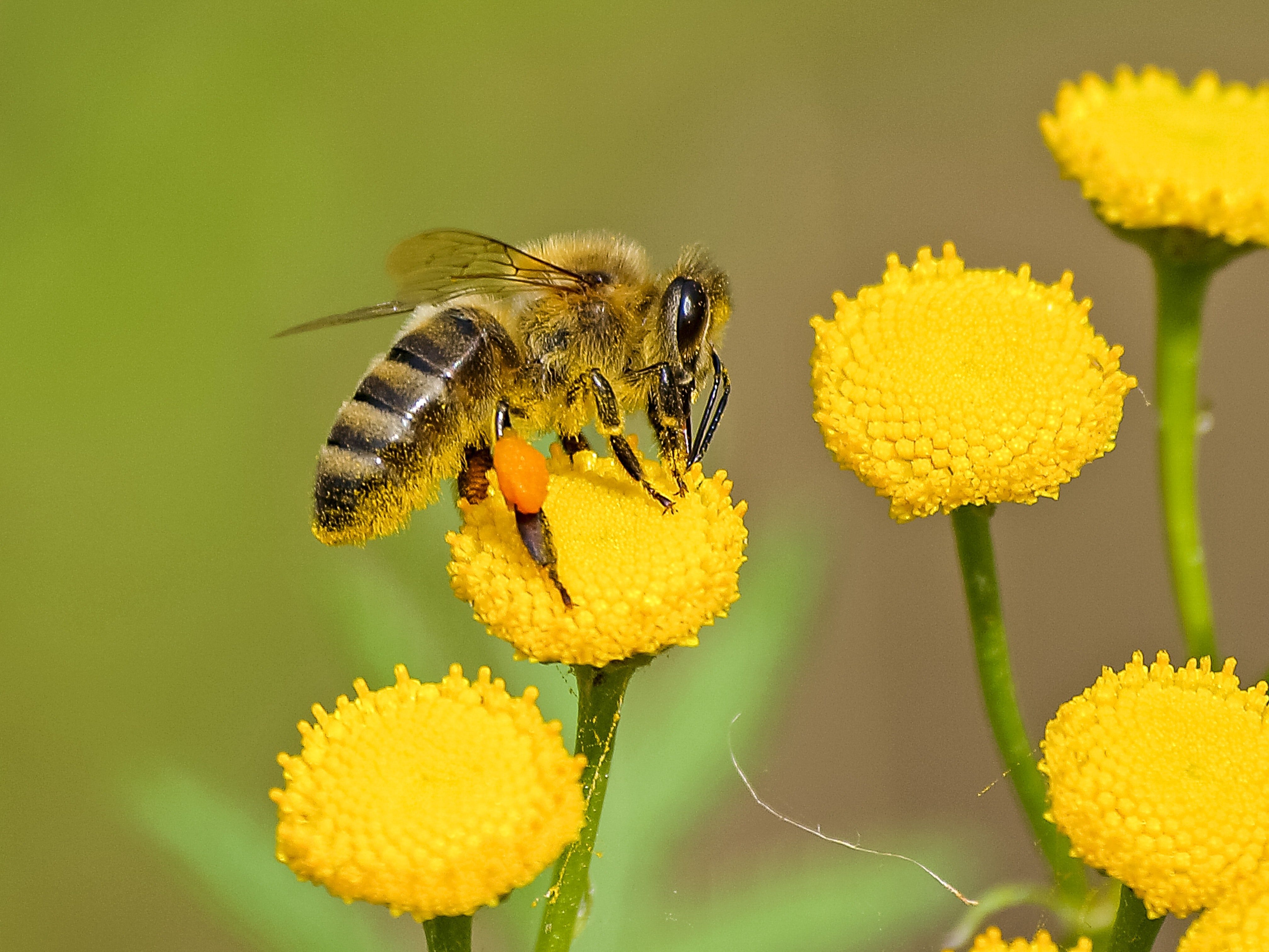
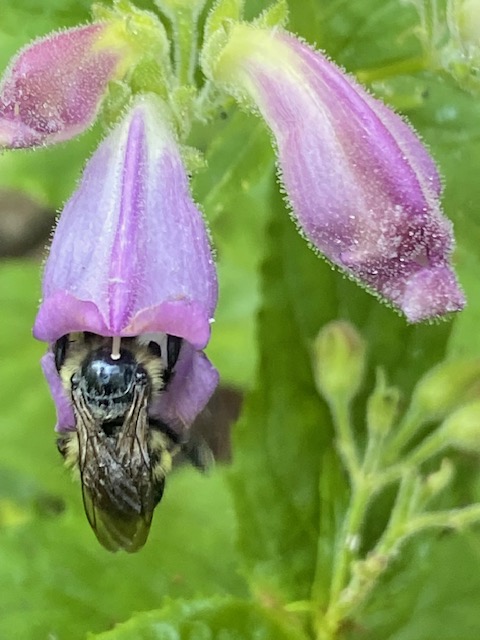
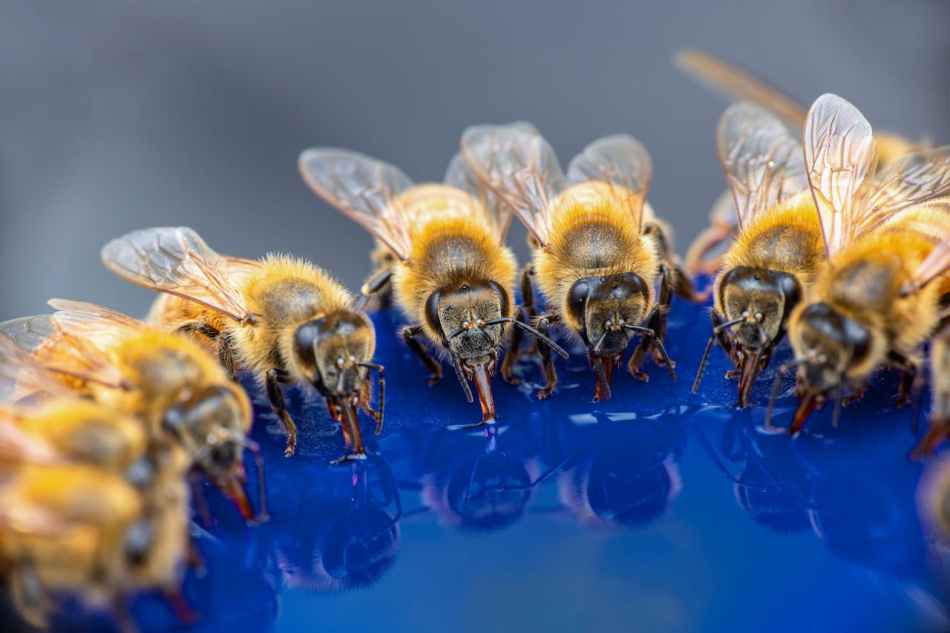
Photo by Amy Blizzard
Bee Health around the Globe. Australia
Australia’s honey producers have something to celebrate and something to mourn.
Australian honey has a reputation for good flavor and purity, and the country is one of the top ten honey producers in the world. Honeybees in Australia live amid an abundance of natural resources in a comparatively pollution-free environment. Bees have a variety of plants to visit, and the climate is mostly favorable.
The country’s commercial industry mostly operates as nomadic. Hives are moved up to 20 times in a year, either for pollination contracts or for honey production. Beekeepers follow the budding and flowering of plants.
Australia’s native bees are small and stingless. For honey production, beekeepers depend on Asian and European honeybees.
Australia was the last major country to remain free of the varroa mite, a parasite that has brought calamity to beekeepers around the world. But in 2022, the mite was found in Australian hives.
A government agency jumped into action to keep the mite from spreading. But only two years later, the agency said the mite can’t be eradicated, and shifted its emphasis to trying to contain the parasite. This is the goal in the U.S. also. Beekeepers try to control the spread and lessen the mite’s impact.
Australia produces a variety of honey on its huge land, with flavors influenced by the local flora. Well-known honeys include:
• Manuka, known for its medicinal properties, produced from the nectar of the Leptospermum (tea trees).
• Leatherwood, unique to Tasmania, known for its distinctive spicy flavor and aromatic properties.
• Jarrah and Karri, from Western Australia, known for high antimicrobial activity and thick consistency.
• Eucalyptus, with a slightly herbal flavor, harvested from the numerous eucalyptus species across Australia.
The arrival of the destructive varroa mite has been bad news, but the honey industry recently got some good news, too. Seven years of research on Manuka honey validated its reputation as an antibacterial product. The research confirmed that Australian honey had medicinal properties similar to New Zealand’s well-known manuka honey.
This is a potential boon for the Australian industry. Medical-grade honey sourced from New Zealand earns that country an estimated $75 million a year.
Medical-grade honey has been proven to be an effective treatment for wounds and skin infections. Studies show it can kill superbugs that have built immunity to conventional antibiotics. The honey can be used to treat bacterial infections like C-diff.
“We had assumed that the unique antibacterial activity found in manuka honey is more active and stable than that of other varieties,” a researcher said. “Now, our research confirms this belief and goes a step further. We proved that Australia’s Manuka honey is just as effective, if not better, than New Zealand varieties, based on a survey of 80 Manuka-type Australian honeys.”
Beekeepers believe the research puts Australian Manuka honey on the international radar at a time when antibiotic resistance has been recognized as a global crisis.




 1000 Reasons to Love Bees