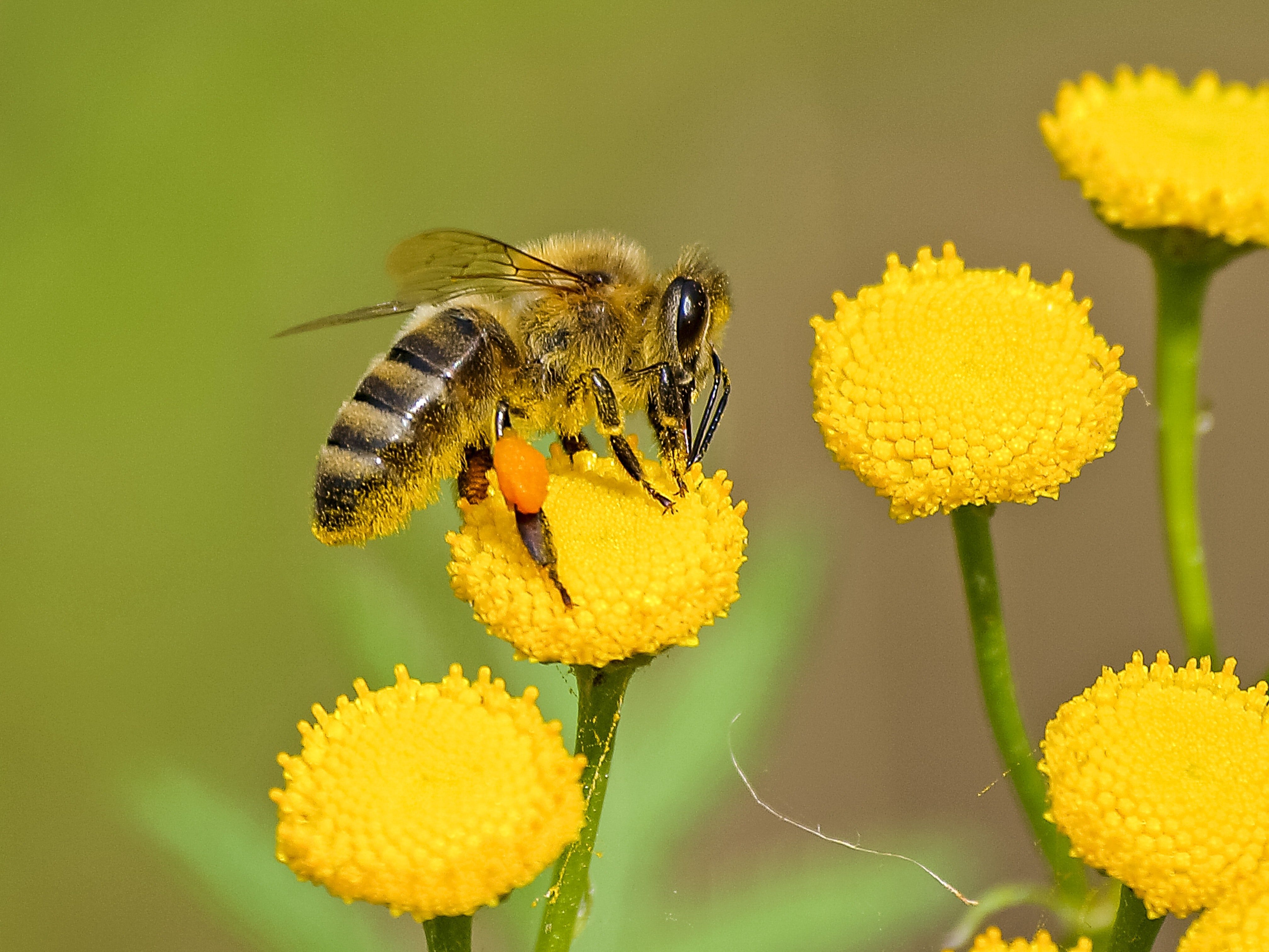

Photo by Amy Blizzard
How are bees doing? What is the latest word on apian well-beeing?
Most of us understand that the bees we depend on to pollinate our crops are floundering. But are things getting better, or worse?
Pollinator advocates say a recent decision by the Environmental Protection Agency (EPA) spells bad news for bees. The EPA postponed its review of neonics, a family of widely-used, bee-killing pesticides. The agency will not issue a report on neonics until 2026, and the pesticide’s extensive use will continue unrestricted.
Bee lovers fear that colonies cannot wait two years for relief. The precipitous decline in the U.S. bee population continues. Honeybee colonies have died off at an average annual rate of 40 percent over the last decade, and studies conclude that neonics play a major role.
Bee defenders say the EPA should also consider the health of humans and other species. In the Midwest, neonics are the number one cause of butterfly decline. In humans, research shows that neonics pass from pregnant mothers to the fetus, and into the breast milk of nursing mothers. Studies link neonics to increased risk of birth defects, like malformations in developing hearts and brains.
Even an analysis by the EPA itself concluded that neonics jeopardize the existence of more than 200 threatened and endangered species. Canada, the European Union, and other countries in the world have already put strong restrictions on the pesticides.
In the face of convincing research, why does EPA drag its feet? Critics point to the influence of Big-Ag. Bayer and other agrochemical producers have launched extensive PR and lobbying campaigns. They warn that restricting neonics will harm crop production, but experience has shown otherwise.
In Quebec, Canada, a 2019 crackdown on neonics made farmers reduce their use of neonic-treated corn seed by 99.5 percent. Four years later, crop yield remained consistent. Cornell University found that neonic-treated seed for major crops provided “no overall net income benefit” to farmers.
A single neonic-treated seed can contain enough active ingredients to kill a quarter-million bees. DDT, which the U.S. banned, looks tame compared to neonics. Neonics are 5,000 to 10,000 times more toxic to bees.
The crop absorbs only a fraction of the neonics. The rest leaches into the environment to contaminate soil, rivers and streams, and even drinking water.
Persons who want to complain to the EPA about its decision can sign a National Resource Defense Council (NRDC) petition found online. Other environmental groups may be circulating petitions, too.
Next time: How are bees doing around the globe?
 1000 Reasons to Love Bees