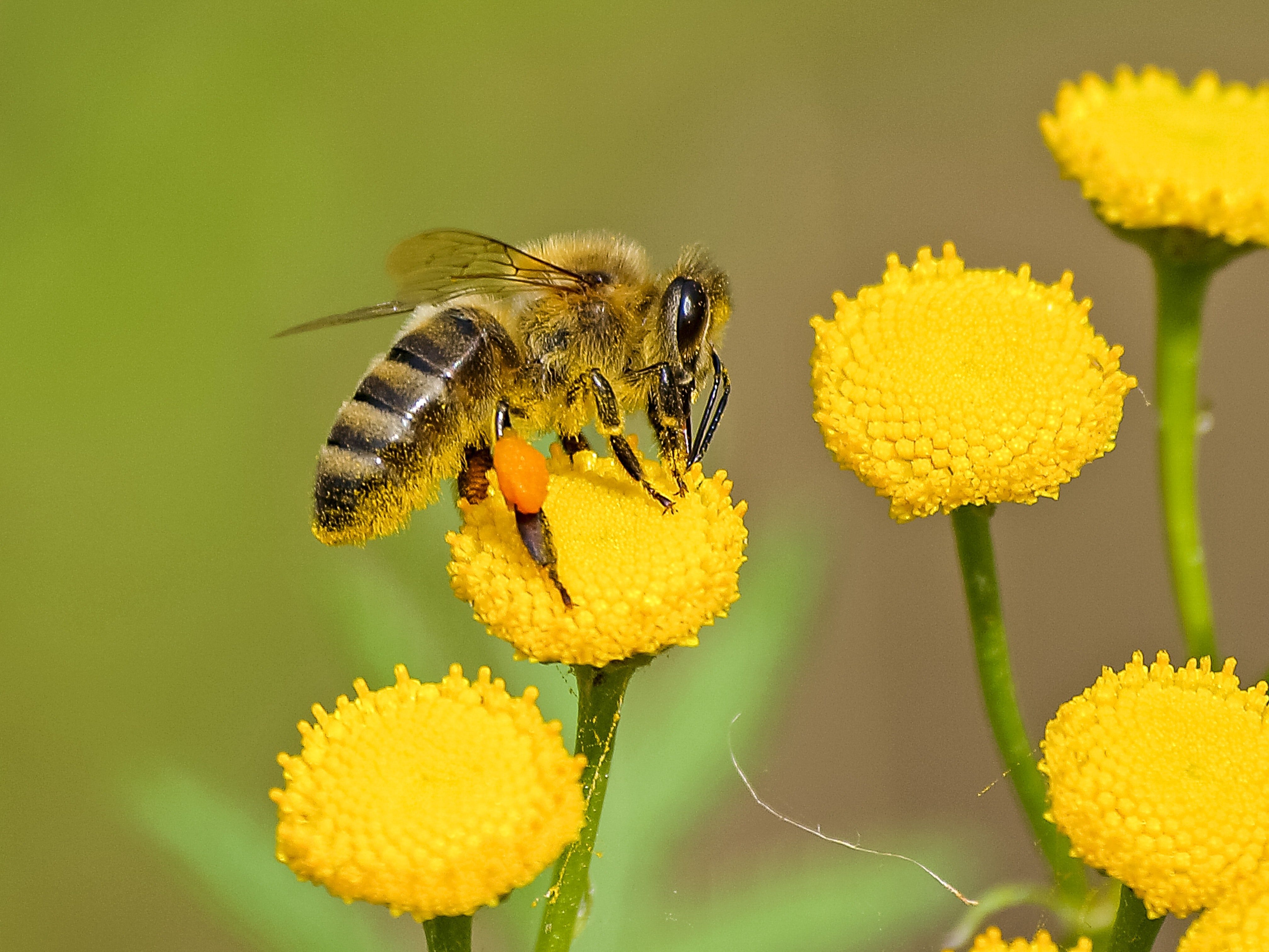
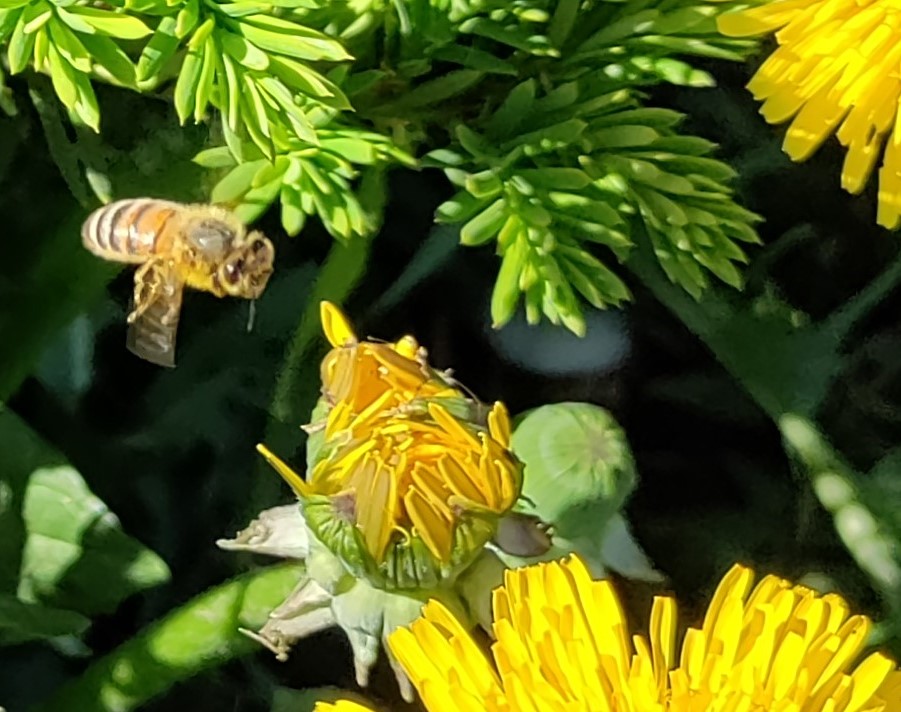
Even before I kept bees, I loved to stand next to a tree in bloom and listen to bees buzz.
One time when I was walking with a friend, we spotted a yellow-flowered canola field ahead. Before we reached the field, we heard bees working the blooms. We paused there for a long time, savoring the sound of loud, ambitious bees. I sensed it was healing. And it may have been.
Some say the hypnotic sound of bees humming may be good for human health. And that is only one way that hanging around with bees improves well-being. A new report validates the old belief that beekeepers live longer than other people.
Several factors combine to make beekeeping healthy. The outdoor lifestyle includes walking and gardening. Beekeepers have an absence of pollutants in the bee yard. They eat honey, and some of them also consume royal jelly and bee pollen.
There are claims that bee stings in moderation can be beneficial. This belief says bee venom acts to ease arthritis pain. Studies to determine whether this is true are in the works.
A recent study showed that telomere length, generally accepted as a way to estimate longevity, is greater in people who practice beekeeping. Telomere length, a complex hereditary trait, has been associated with aging and age-related diseases including cancer. Beekeepers live longer than nonbeekeepers, and beekeepers exhibit longer telomeres. Specifically, male beekeepers display significantly longer telomere lengths than their non-beekeeping counterparts.
The study conducted in Malaysia involved a small number of people, all men. Thirty healthy beekeepers who had kept bees for more than five years, and thirty healthy nonbeekeepers. None were on medications. The nonbeekeepers did not consume bee products—honey, royal jelly, or pollen—the beekeepers did. Researchers believed that may have played a part in the beekeepers’ greater telomere length—honey has antimicrobial, antiviral, antiparasitic, anti-inflammatory and antioxidant properties.
These days, some beekeeper/entrepreneurs offer others the chance to hang around bees to absorb the health benefits. Spas and B &Bs offer guests the opportunity to meditate or sleep close to hives, while staying separate from the bees. Such places exist in the U.S., Europe, and Australia.


 1000 Reasons to Love Bees