A visit to a Montreal insectarium awakened in me something that went dormant decades ago. Affection for bugs.
When I was a child, a nearby creek in a cow pasture held numbers of water skippers. I lay in the grass and watched them. Graceful dragonflies hovered above the water, but I kept my eye on them because a neighbor kid had told me they used their tapered abdomens to take stitches in human skin. (Not true.)
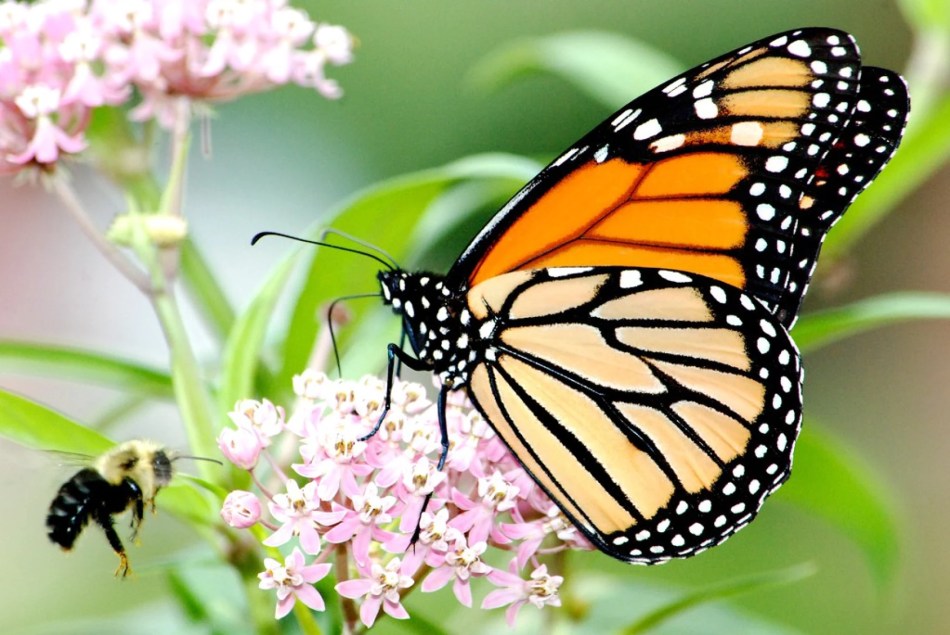
At the Montreal museum, kids sat mesmerized while a parade of leaf-cutter ants carried green and pink leaf slivers across a log. Shiny beetles with blue and red fluorescent stripes attracted admirers, and adults and kids alike froze when a butterfly flew near, hoping it would light on them and bring them good luck.
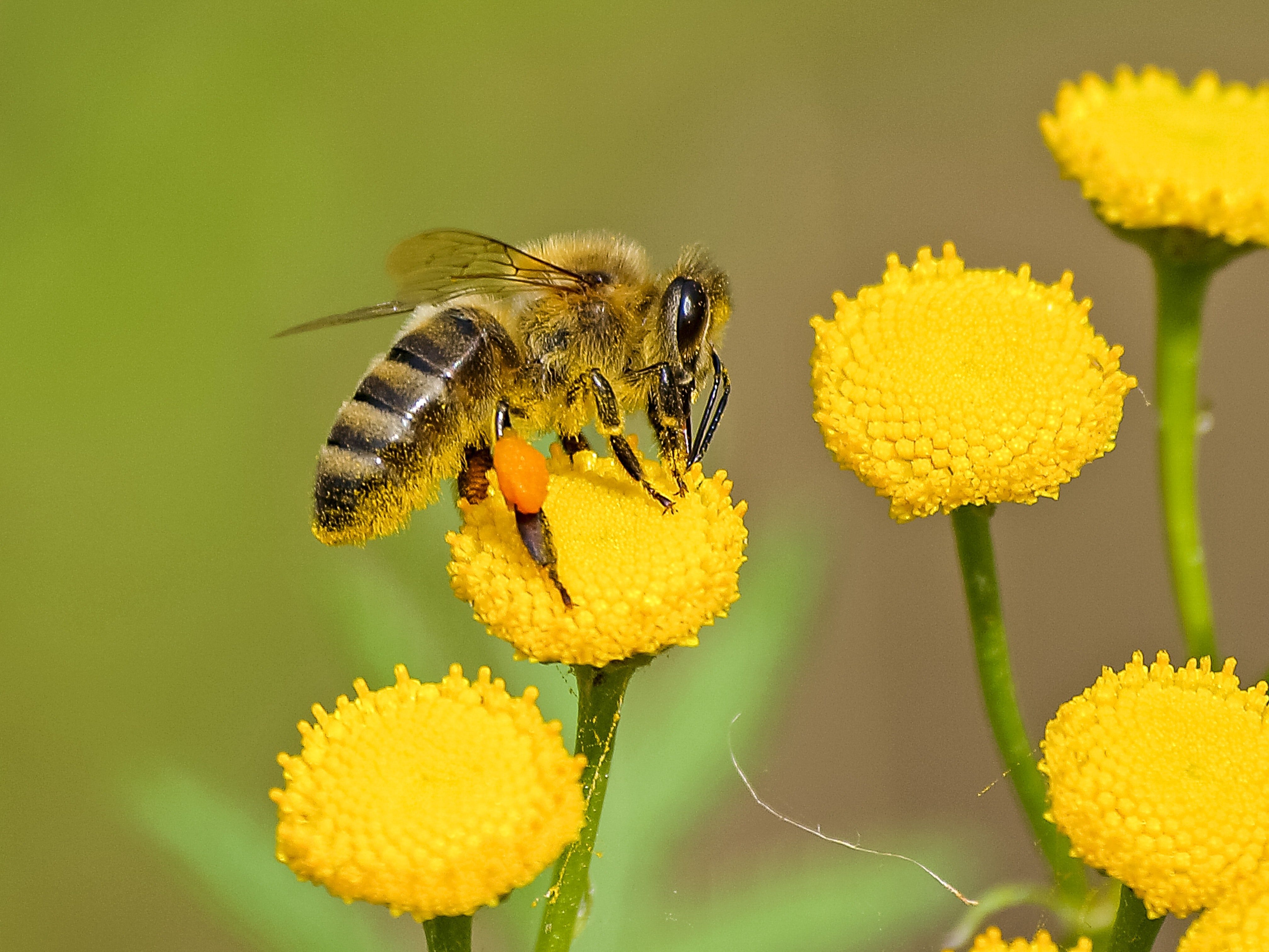
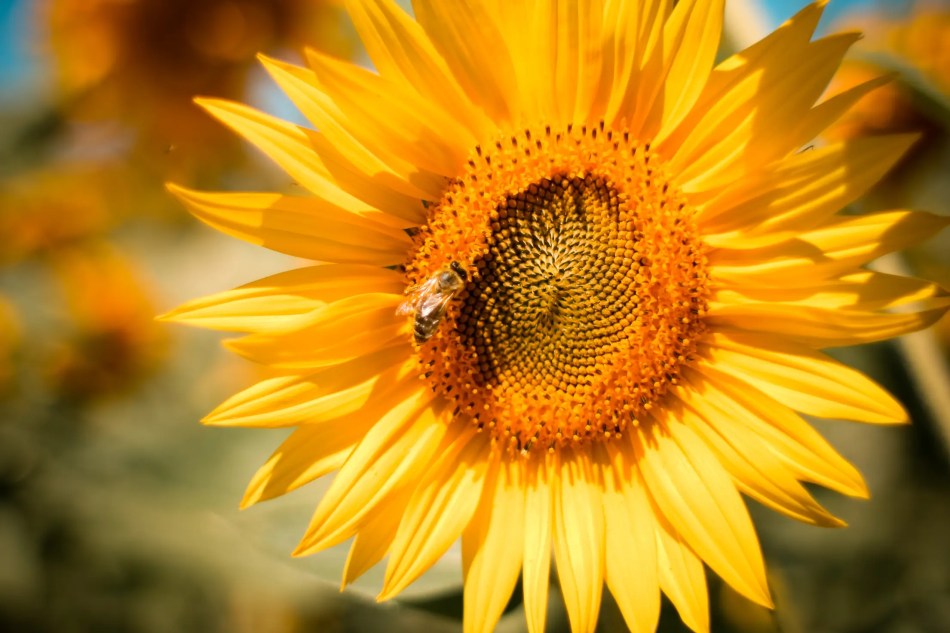
Globally, the insect population declines each year because of deforestation, pesticides, light pollution, and climate change. People who never liked bugs anyway need not see this as good news. Bugs undergird the food chain—reptiles, birds, and mammals rely on them for food. A yellow jacket feeds a blackbird who feeds a red fox who feeds a majestic hawk. Insects tether all freshwater and terrestrial ecosystems in the world, and humans need pollinators in their gardens and orchards.
Fireflies who once blinked on when darkness came have vanished from many of their home regions. The plight of migrating butterflies and honey bees is well-publicized.
Around the globe, insects pollinate more than 75 percent of crops. In the US, insects perform services estimated at $57 billion per year. Dung beetles alone are worth $380 million per year to the US cattle industry because they break down manure and churn range land soil.
This doesn’t refute that some insects are creepy. At one display, I strained to see insects but saw only twigs, some nine or ten inches long. Then a big twig moved. I would hate to pick up a twig and discover it was a giant insect in camo.
Not everyone agrees that insect populations are in decline. Some insect populations are growing. Unfortunately, the ones increasing in number are mostly pests.
Can the average person do something to help beneficial insects? Yes.
Favor native plants over ornamentals. A rabbit brush plant supports 37 different species of insects, including honey bees.
Reduce or eliminate yard lights.
Seek natural methods to control destructive insects. If none are available, find commercial products that target the harmful actors.
Instead of mowing and weed whacking around trees, leave mounds of grass and leaves. When insects and their larvae fall out of trees, they will have a place to thrive.
Postpone mowing grass until late spring. This helps insects at a crucial time, and contributes to lawn health. Many communities observe no-mow March or no-mow May, depending on when spring comes to their area. Those communities have significantly increased their pollinator populations.

 1000 Reasons to Love Bees