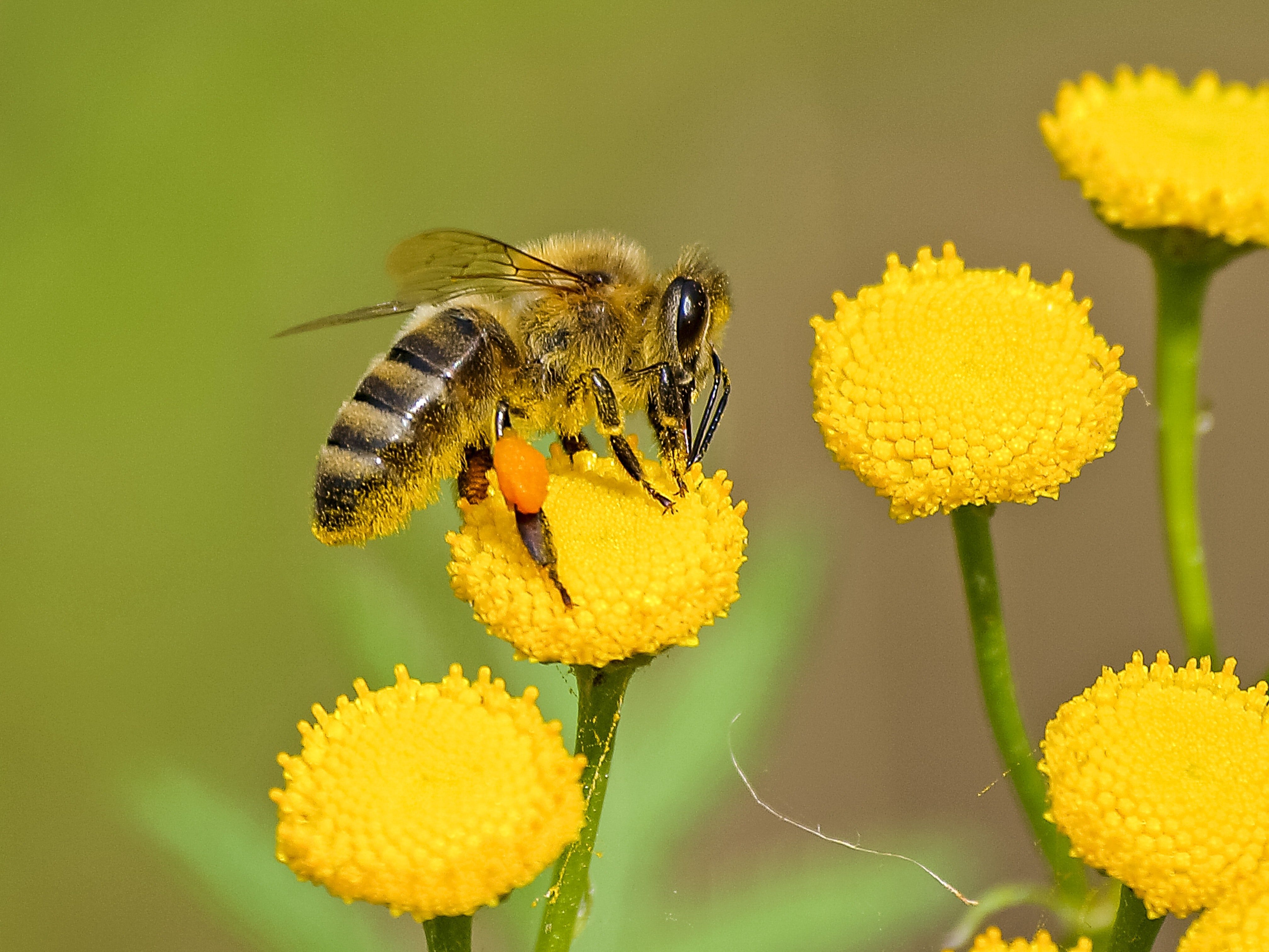
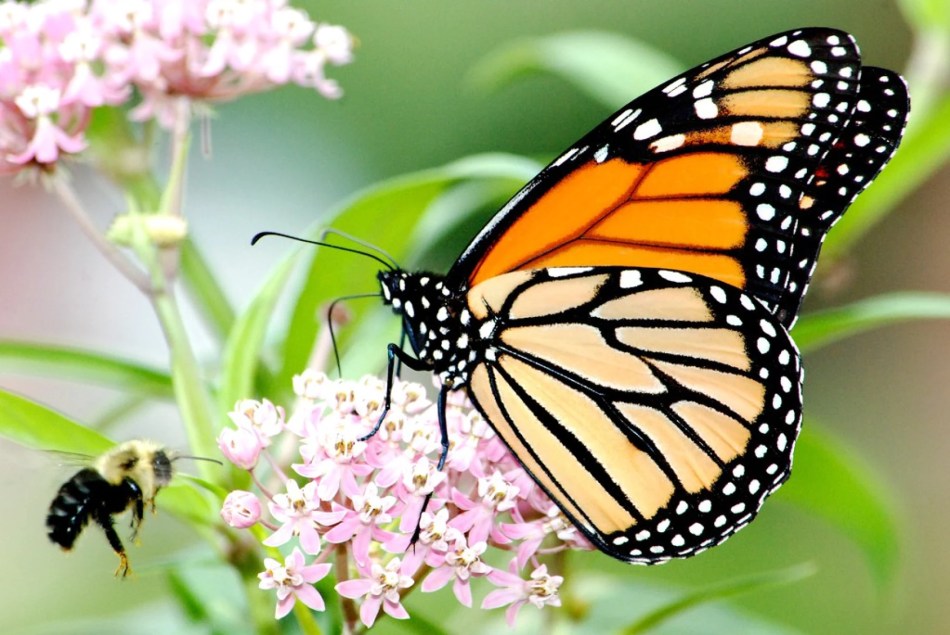
Ladybugs occupied my 125-year-old farmhouse before I did.
During cold months, they cluster in ceiling corners, and when it warms they march across the kitchen ceiling or dance on the keyboard in my office while I type. Sometimes, one falls into my tea.
I don’t know if a previous resident invited them in, or if the ladybugs discovered this snug home on their own. Small as they are, when one falls on my head it goes boink, and startles me. At first, if I found a ladybug strolling across the stove or asleep on the bread board, I would move her to a house plant. I don’t anymore. We co-exist.
We humans are inconsistent. We love butterflies, bees, praying mantis, dragonflies and ladybugs. Other insects annoy us, and we actively hate fleas, roaches, mosquitoes and bedbugs. If I had inherited ordinary insects, they would be gone. But ladybugs have a good name. They are a symbol of good luck in some cultures, and the friend of gardeners in our section of the world.
I have no idea what my house ladybugs eat. I never see them land on house plants or on the vegetables and fruit in the produce basket. Outside in the garden, they feed on pests like aphids, and they throng to my raspberry patch.
Entomologists know that insects play a vital role in the ecosystem, but science hasn’t studied them to the extent that mammals, birds, and reptiles have been observed. So we have to estimate how much their numbers have declined.
Some of us remember car trips when we had to stop to clean insects off the windshield so we could see. We know pollinators are in trouble because scientists and food growers watch them closely. Lately, the decline of insects has gained attention across the world.
The causes of the decline are the same as those that have harmed pollinators. Loss of habitat, pesticide use, particularly insecticides, intensive agriculture, invasive species, and climate change. Science has begun to consider light pollution as a factor, too.
Studies on insect numbers have come mostly from Europe and the United States, though those countries have only 20 percent of the world’s insects. Those numbers estimate that land insects are declining by 9 percent a year. Some fresh water insects have increased in numbers, maybe because of clean-up in lakes, but they account for a smaller number of species. Some species have gone extinct, while others are heading toward that.
Entomologists working on six continents estimated in 2019 that on a scale of 1 to 10, with 10 being the worst, the severity of the insect crisis is 8–10.
Next time: Insectogedden
 1000 Reasons to Love Bees